London/Liverpool: Becoming Social Symposium - July 2026
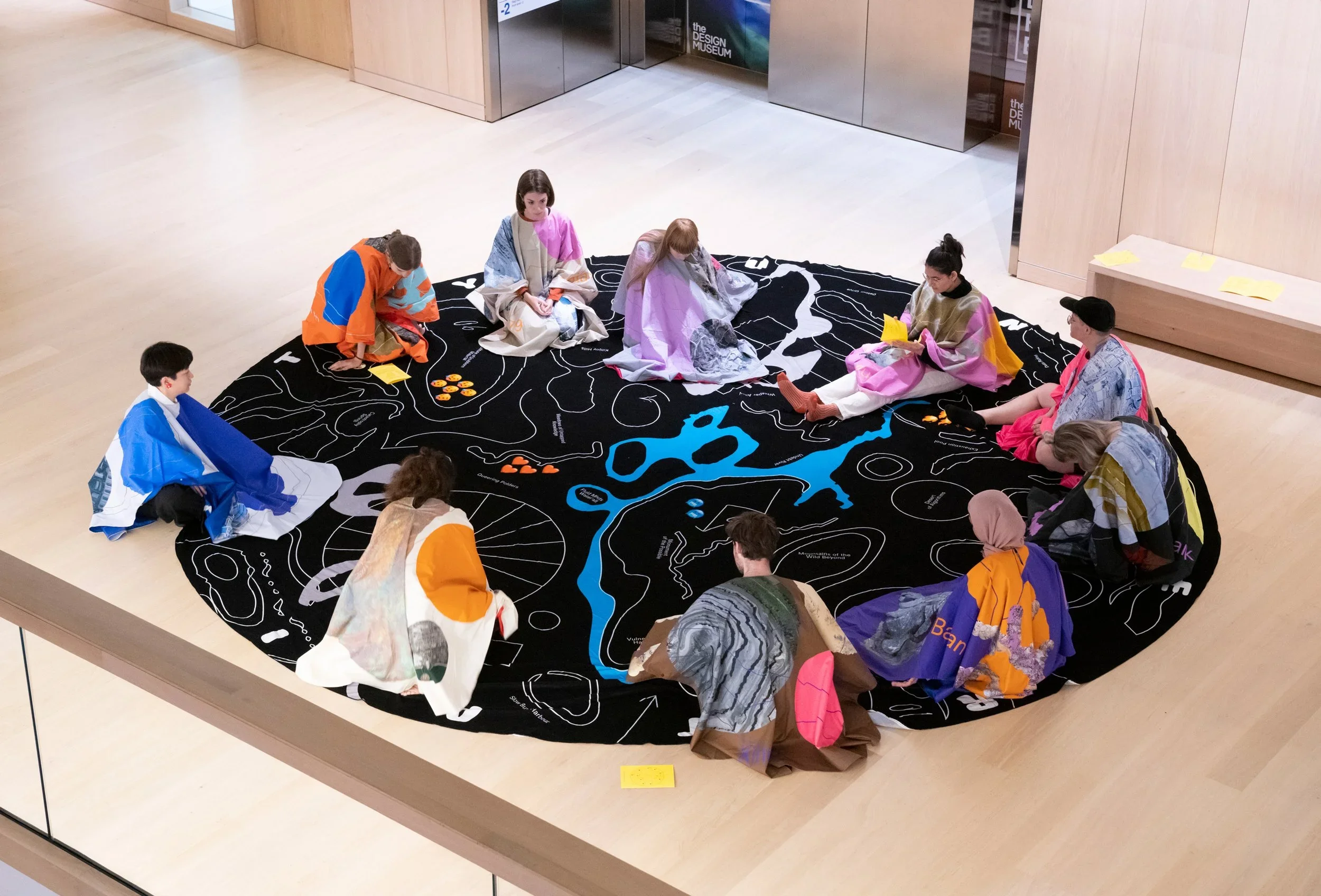
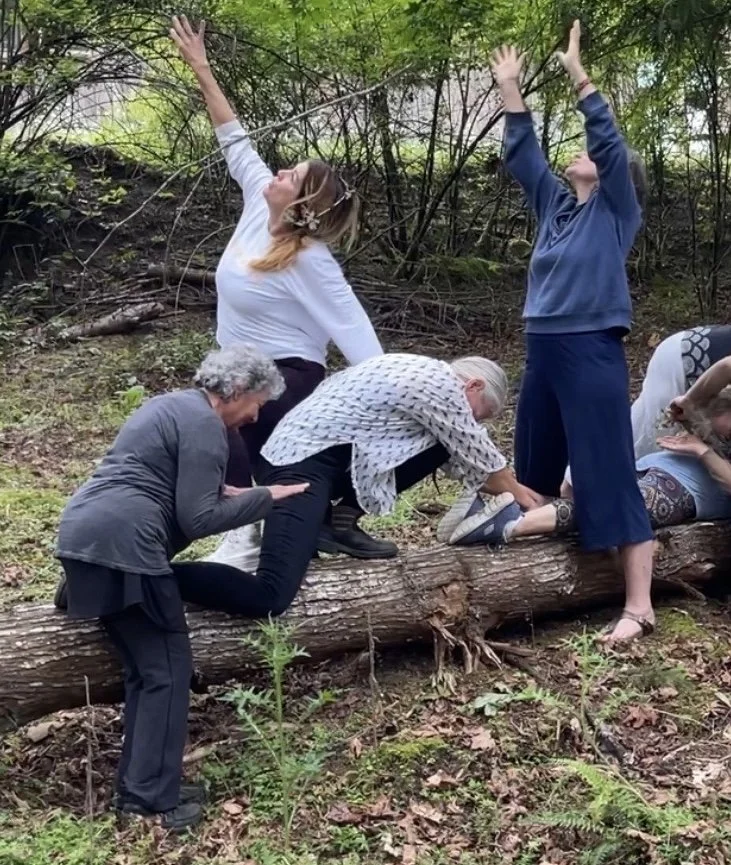
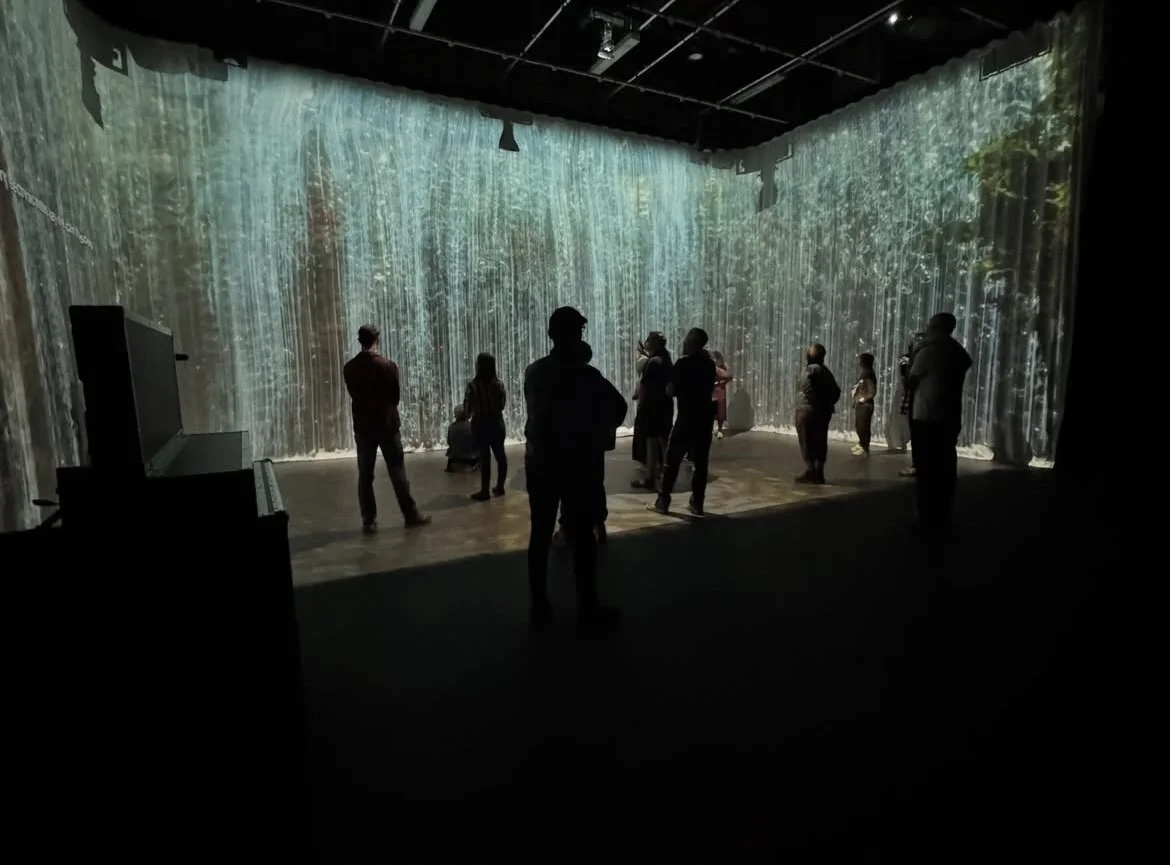
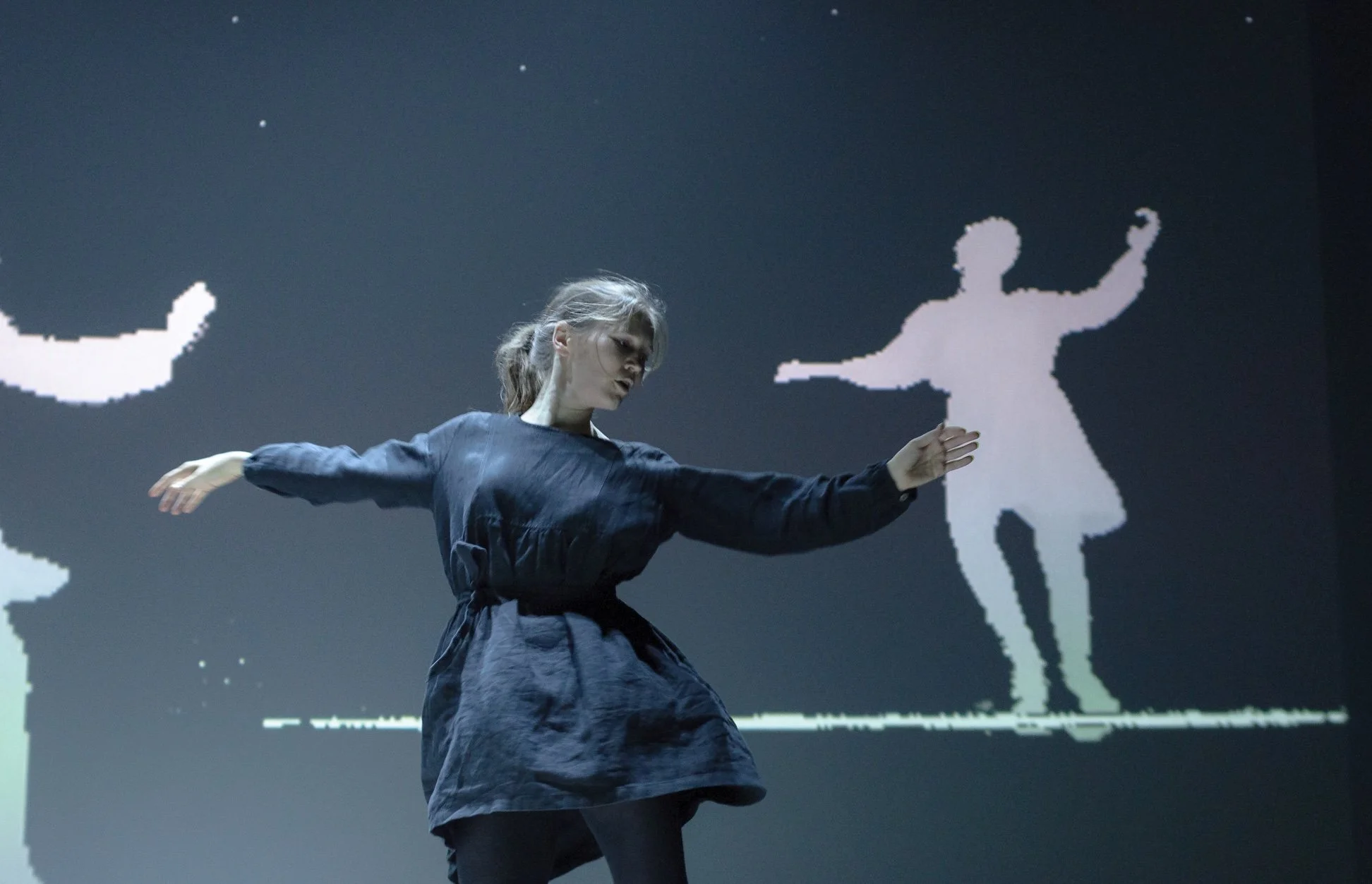
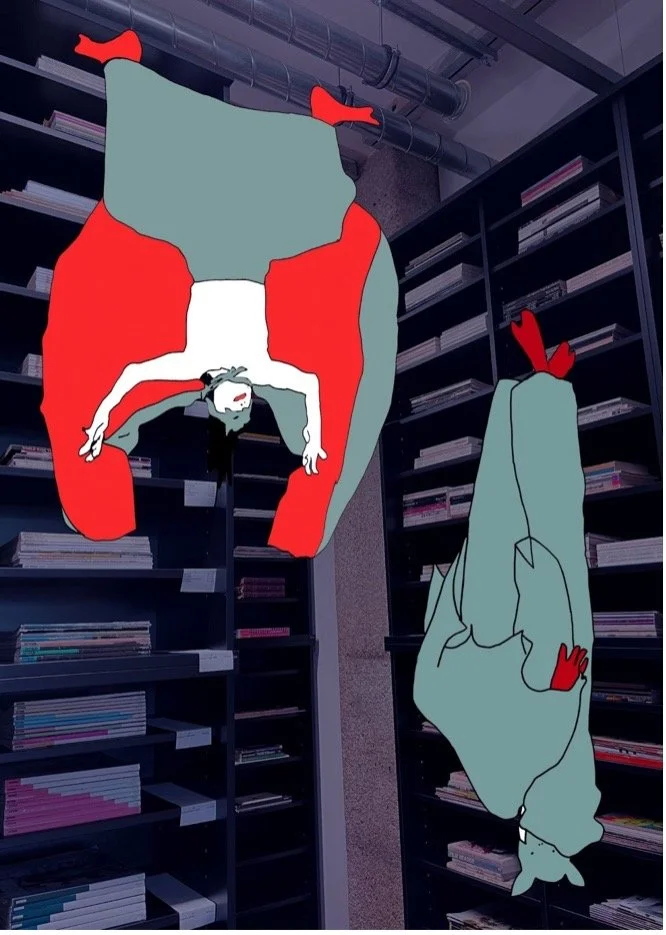
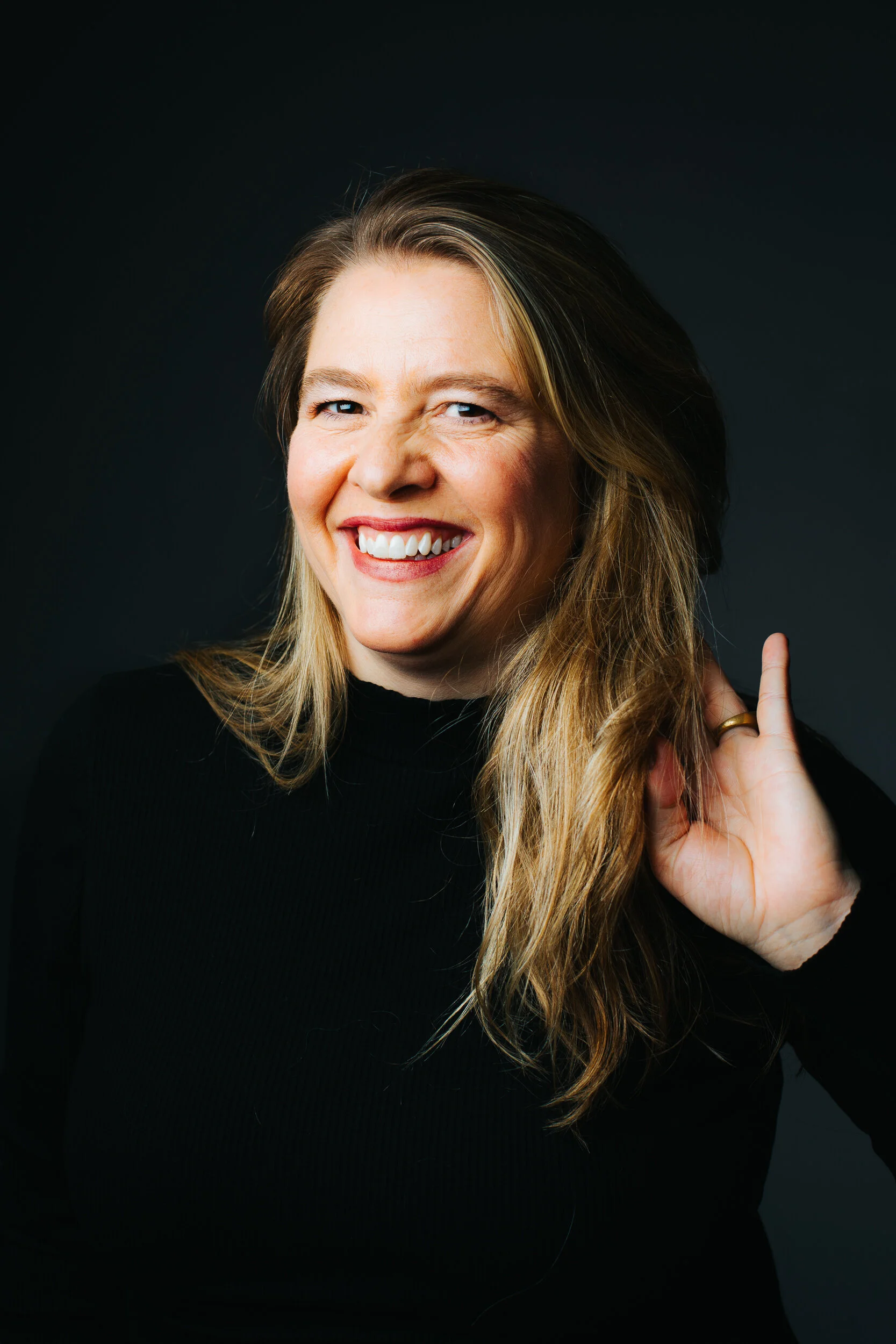
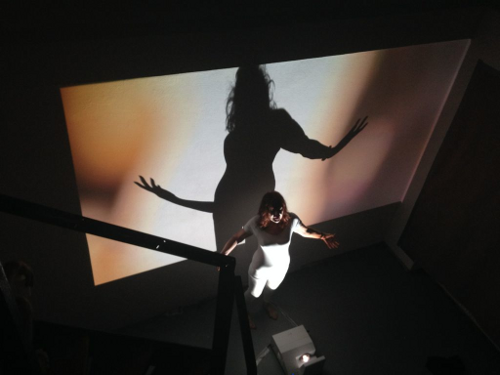
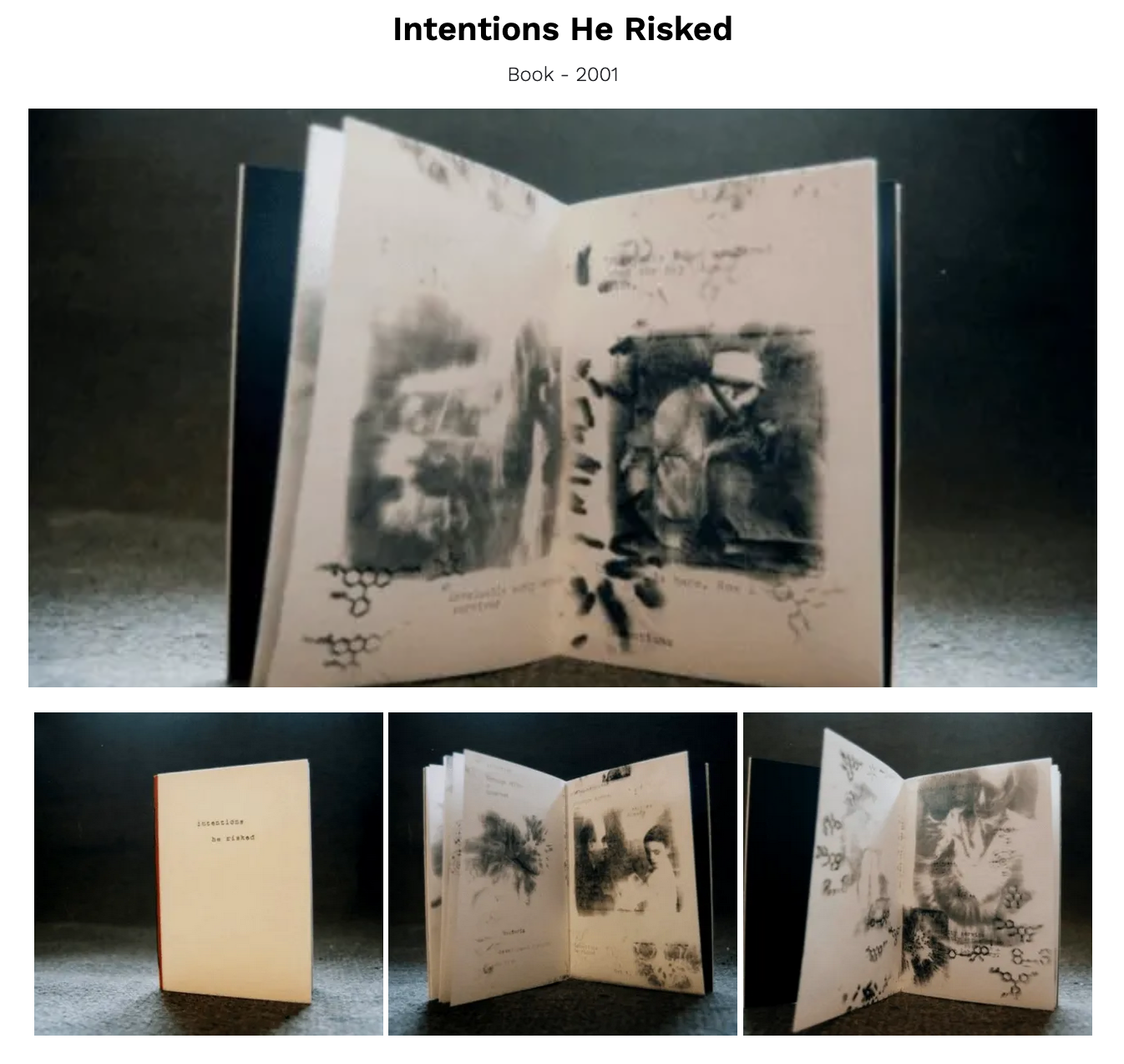
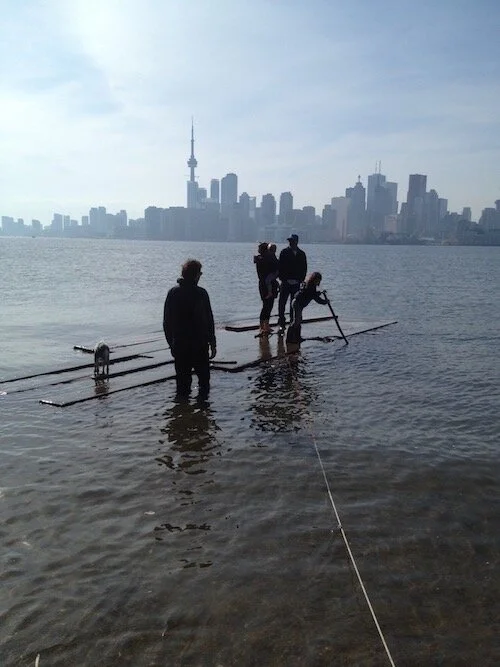
Tereza Ruller, Wicked Worlding with The Rodina, Design Museum London, 2019
BECOMING SOCIAL
REFLECTIONS ON THE SOCIAL MODALITIES
OF YOUR DOCTORAL RESEARCH
20-24 JULY 2026
JOHN LENNON BUILDING
LIVERPOOL JOHN MOORES UNIVERSITY
LIVERPOOL, UK
STATEMENT
KEY QUESTIONS
PROGRAMME
KEY NEXUS SESSIONS
ALL PARTICIPANTS
PROFILES
STATEMENT
AS A POSTGRADUATE RESEARCHER, it is likely that you have been told that “this is your PhD.” Yet this commonly-held assumption tends to overlook the deeply social, relational nature of the doctoral process. While the final thesis represents an individual’s practical and intellectual contribution, a closer look reveals that the PhD is invariably shaped by a complex interplay of social relationships.
Those who have undertaken doctoral study will recognize that claims of complete autonomy are far from accurate. The PhD is shaped by the guidance provided by supervisors, constrained by the established methodologies and theoretical frameworks of a specific field, and influenced by the ongoing conversations and scholarship of your peers. Beyond these academic and institutional relationships, the practical realities of research – including the support of partners, family, and wider networks – also play a significant role.
These social modalities fundamentally shape the development of you and your research. Your negotiations with the dynamics of supervision, established ways of thinking within a discipline, and the reciprocal relationships at the heart of doctoral studies all matter. These effect the questions that you can ask, the methodological choices that you make, the expectations for supervision, and ultimately, the overall structure and coherence of your thesis.
For many years, supervisors have explored these interconnected influences. Their conversations have focused on how these social dynamics impact doctoral education from their perspective – especially the pedagogical challenges and political ramifications presented by doctoral-level research.
This Transart Institute residency provides a valuable opportunity for postgraduate researchers and alumni to have their say in these matters.
This Event is the pilot for an annual NEXUS EVENT symposium.
KEY QUESTIONS
This residency invites PhD candidates and alumni to reflect on the the multifaceted social dimensions of their own doctoral studies, considering the following key areas:
PGR accounts of supervisor-PGR dynamics; the significance of peer support and kinship networks; the exercise of relational agency – the capacity to proactively establish and maintain supportive relationships; negotiation of disciplinary norms and expectations; and defining the communities to whom individual “contributions to knowledge” are made.
We invite you to explore issues related to academic socialization, including the impact of cultural differences, and the reconciliation of academic and professional criteria for success.
We also invite reflections on the influence of external support networks – such as extra-institutional mentoring and participation in communities of practice, alongside considerations of disciplinary and institutional expectations regarding the form of doctoral theses; and the role of examiners and negotiation of examination conventions.
PROGRAMME
LONDON
-
10:00 - 12:30
TATE MODERN - MEET OUTSIDE MAIN ENTRY WAY - VIEWING FREE PERMANENT COLLECTION - COST TO ENTER PRIVATE EXHIBITS IS EXTRA FOR ATTENDEES
(BANKSIDE, LONDON)
13:00 - 14:00
BEACONSFIELD - CONVERSATION WITH NAOMI SIDERFIN, CO-FOUNDER AND GAIL DICKERSON, ARTIST
(22 NEWPORT STREET, VAUXHALL, LONDON)
14:30 - 15:30
GASWORKS - TOUR OF THUY TIEN NGUYEN EXHIBITION + STUDIO VISITS
(155 VAUXHALL STREET, LONDON)
16:00 - 17:00
ARTIST TALK: DYANA GRAVINA
(STAFFORDSHIRE ST, 49 STAFFORDSHIRE STREET, LONDON) -
10:00 - 11:00
CHILL AESTHETICS, A TALK BY DR. KELSIE ACTON
(GROW HACKNEY, 98C MAIN YARD WALLIS ROAD, HACKNEY WICK)
12:00 - 13:30
V&A EAST STOREHOUSE
(PARKES STREET, QUEEN ELIZABETH OLYMPIC PARK, HACKNEY WICK)
14:30 - 16:00
WHITECHAPEL GALLERY
(77-82 WHITECHAPEL HIGH STREET)
17:00 - 18:00
THE GARDEN AT 120 - OPTIONAL VIEW
(120 FENCHURCH STREET) -
FREE TIME
LONDON GALLERY GUIDE - NEW EXHIBITIONS -
TRAVEL DAY - ARRIVE IN LIVERPOOL
17:00 - 18:00
CHECK-IN/ORIENTATION + DINNER
THE PEN FACTORY20:00
OPTION: MEET TO WATCH FIFA WORLD CUP FINAL
LIVERPOOL
-
09:00 - 10:00
INTRODUCTION TO BRAVER SPACES -
INTRODUCTION TO RESIDENCY THEME: BECOMING SOCIAL
PARTICIPANT INTRODUCTIONS
(LECTURE ROOM 2)10:30 - 11:30
KEYNOTE SPEAKER: JOHN BYRNE: USEFUL ART AS SOCIAL IMPERATIVE
(LECTURE ROOM 2)11:30 - 12:00
BREAK12:00 - 12:25
ALDEN JONES: HOW NOT TO WRITE A NOVEL
(LECTURE ROOM 1)12:30 - 12:55
BREAK13:00 - 13:25
YVETTE CHAPARRO - TOWARDS AN UNDERSTANDING OF THE PROGRAMME IN INDUSTRIAL DESIGN: DEVELOPING A NEW PEDAGOGICAL METHODOLOGY THROUGH ACTION RESEARCH
(LECTURE ROOM 1)13:30 - 15:00
LUNCH BREAK15:00 - 15:25
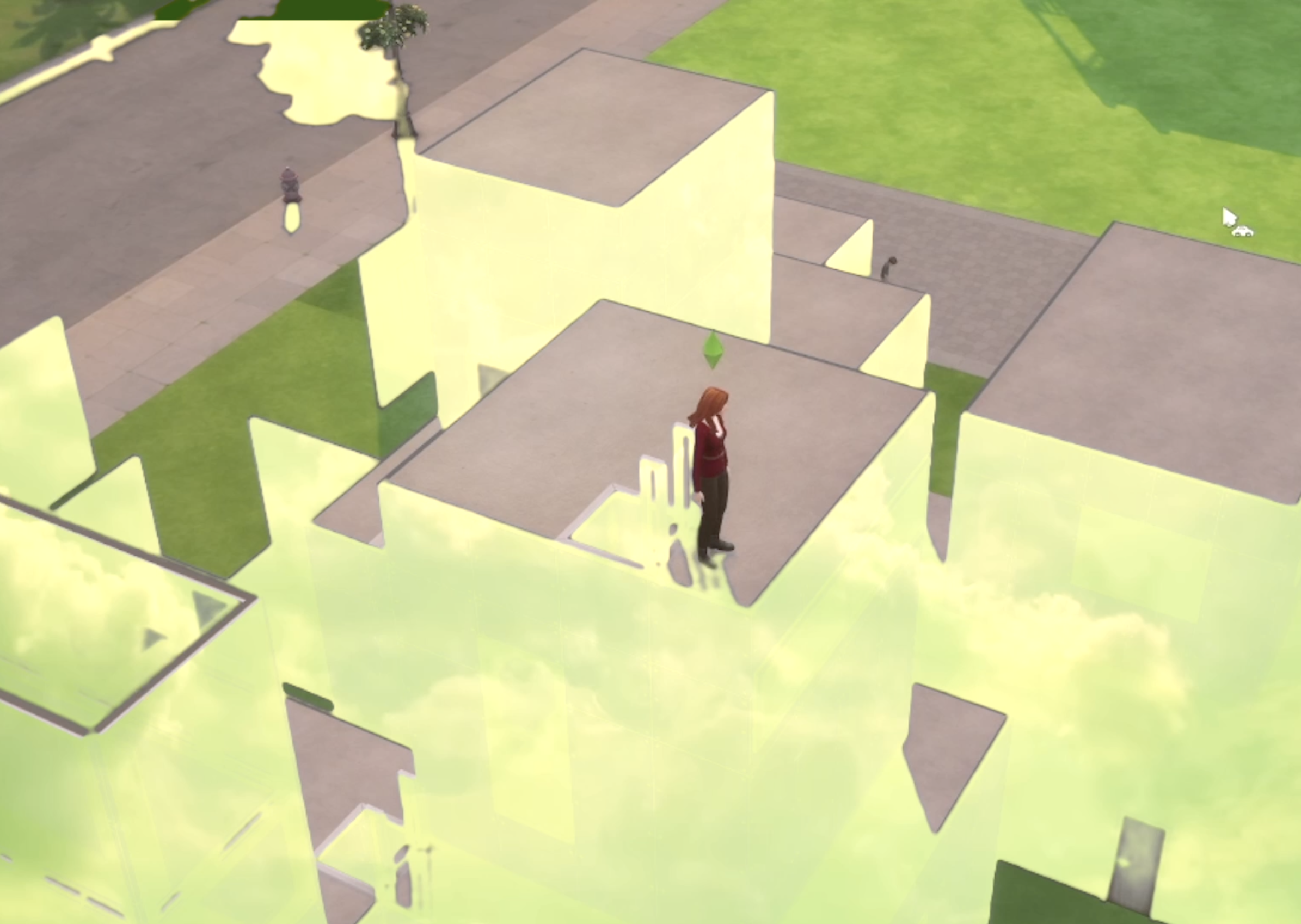
SUSAN FRANCIS: WE ARE MULTI-STOREY CREATURES
(LECTURE ROOM 1)15:30 - 15:55
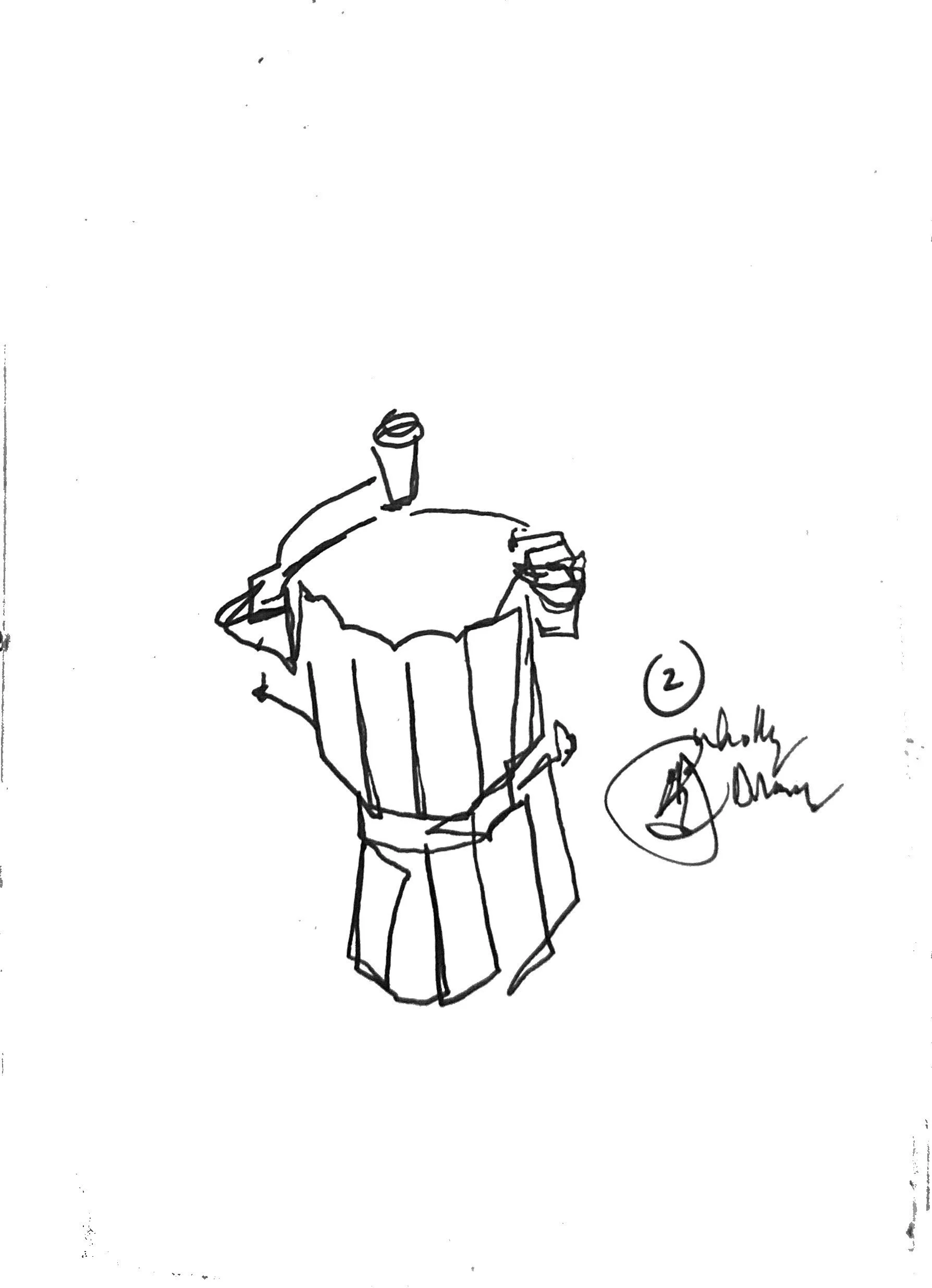
ERIC ABAKA: DRAWING WITHOUT LOOKING
(LECTURE ROOM 2)16:00 - 16:25
DANIELA ALVES MARQUES: WORK THROUGH COLLABORATION
(LECTURE ROOM 1)16:30 - 17:00
END OF DAY GATHERING
(LECTURE ROOM 1)18:30 - 22:00
GRADUATION PARTY AT COMMUNE -
9:00 - 9:25
MORNING CHECK-IN AND UPDATES WITH JAKE, AND GROUNDING SESSION WITH CARRIE E NEAL
(EXHIBITION RESEARCH LAB)9:30 - 12:00
VALERIE WALKERDINE WORKSHOP: SHY GIRL AND OTHER CHARACTERS
(LECTURE ROOM 2)12:05 - 12:30
RACHAEL ROSALIE VOLKER: DESIGN FOR NEURO-REHABILITATION
(X GALLERY)12:30 - 14:00
LUNCH14:00 - 14:55
STEFANIE DENZ: MOVING AND BUILDING IN CONNECTION, A WORKSHOP
(JOHNSON AUDITORIUM)15:00 - 15:30
BREAK15:30 - 15:55
JAMES WOOD: ECOLOGICAL MUSICOLOGY
(LECTURE ROOM 1)15:30 - 15:55
BRITTA FLUEVOG: ART ACTIVISM IS POWERFUL
(LECTURE ROOM 2)16:00 - 16:25
CHRIS TSOGIAS-RAZAKOV: CATALOGUING THE OXYAULOS ARCHIVE: DO WE KNOW WHAT WE HAVE? ESTABLISHING GROUND TRUTH DATASETS FOR THE DIGITISATION, INTERPRETATION, AND REGIONAL CONSCIOUNESS OF THE HELLENIC OXYAULOS (OBOE) CORPUS, C.1830
(JOHNSON AUDITORIUM)16:30 - 17:00
END OF DAY GATHERING
(LECTURE ROOM 1) -
9:00 - 9:25
MORNING CHECK-IN AND UPDATES WITH JAKE, AND GROUNDING SESSION WITH CARRIE E NEAL
(LECTURE ROOM 1)9:30 - 9:55
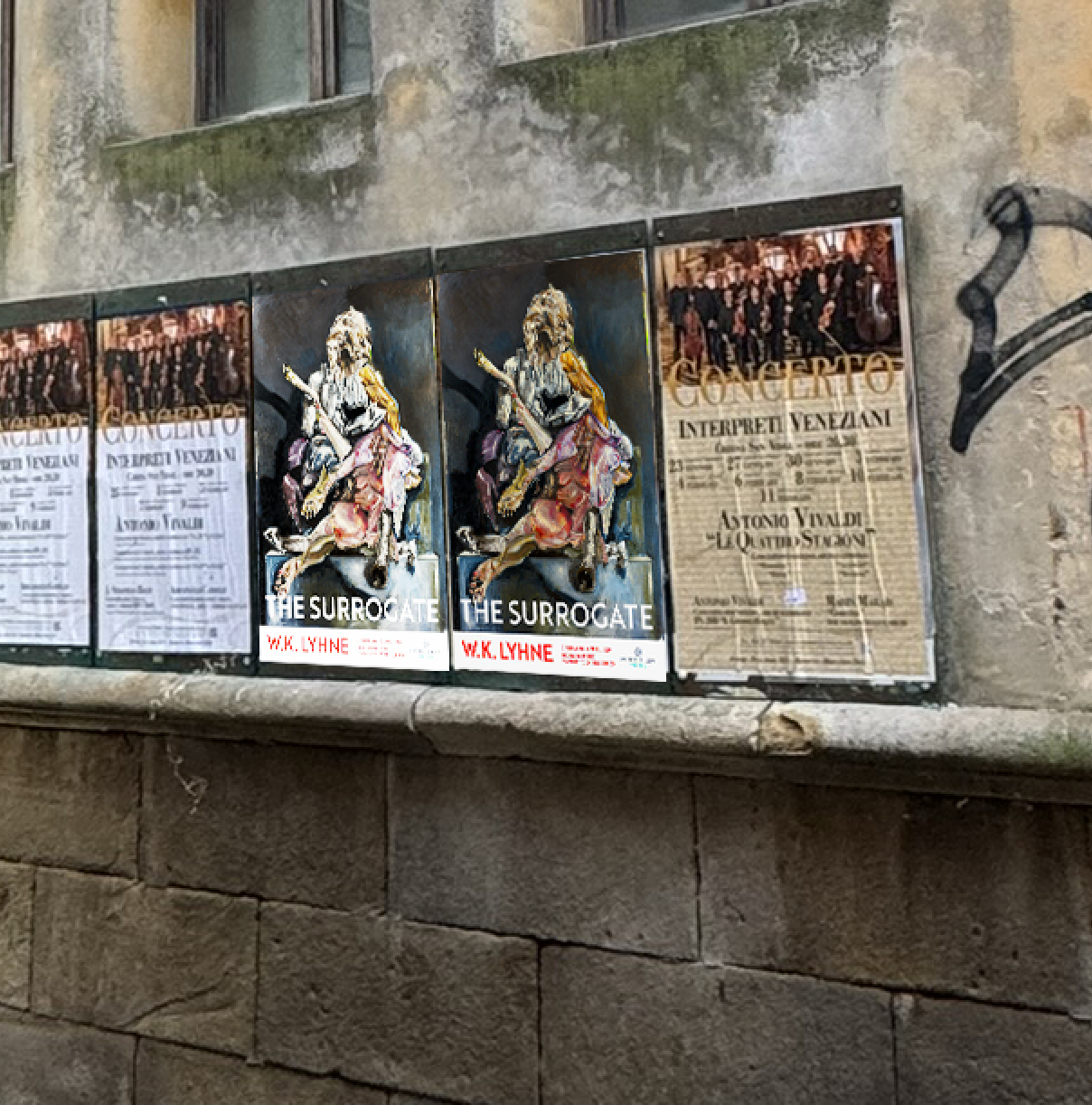
W.K. LYHNE: INSTABILITY AS METHOD
(LECTURE ROOM 2)10:00 - 10:55
ELINOR ROWLANDS: STIMMING AS ARTISTIC METHODOLOGY
(JOHNSON AUDITORIUM)11:00 - 11:30
BREAK11:30 - 11:55
ROSIE DAHLSTROM: BEAUTY AS A SOCIAL FORCE
(LECTURE ROOM 1)12:00 - 12:25
NKECHI NJAKA: PRACTICING COHERENCE: AN EMBODIED INQUIRY INTO RELATIONAL KNOWLEDGE
(JOHNSON AUDITORIUM)12:30 - 14:00
LUNCH14:00 - 16:00
OPTIONAL LAAF ARTIST TALKS
(EXHIBITION RESEARCH LAB)15:00 - 15:55
CARRIE E NEAL: CURIOSITY TO CONVERSATION: A HANDS-ON LAB FOR SEMI-STRUCTURED INTERVIEW DESIGN
(RODERICK WALKER ROOM)16:00 - 16:30
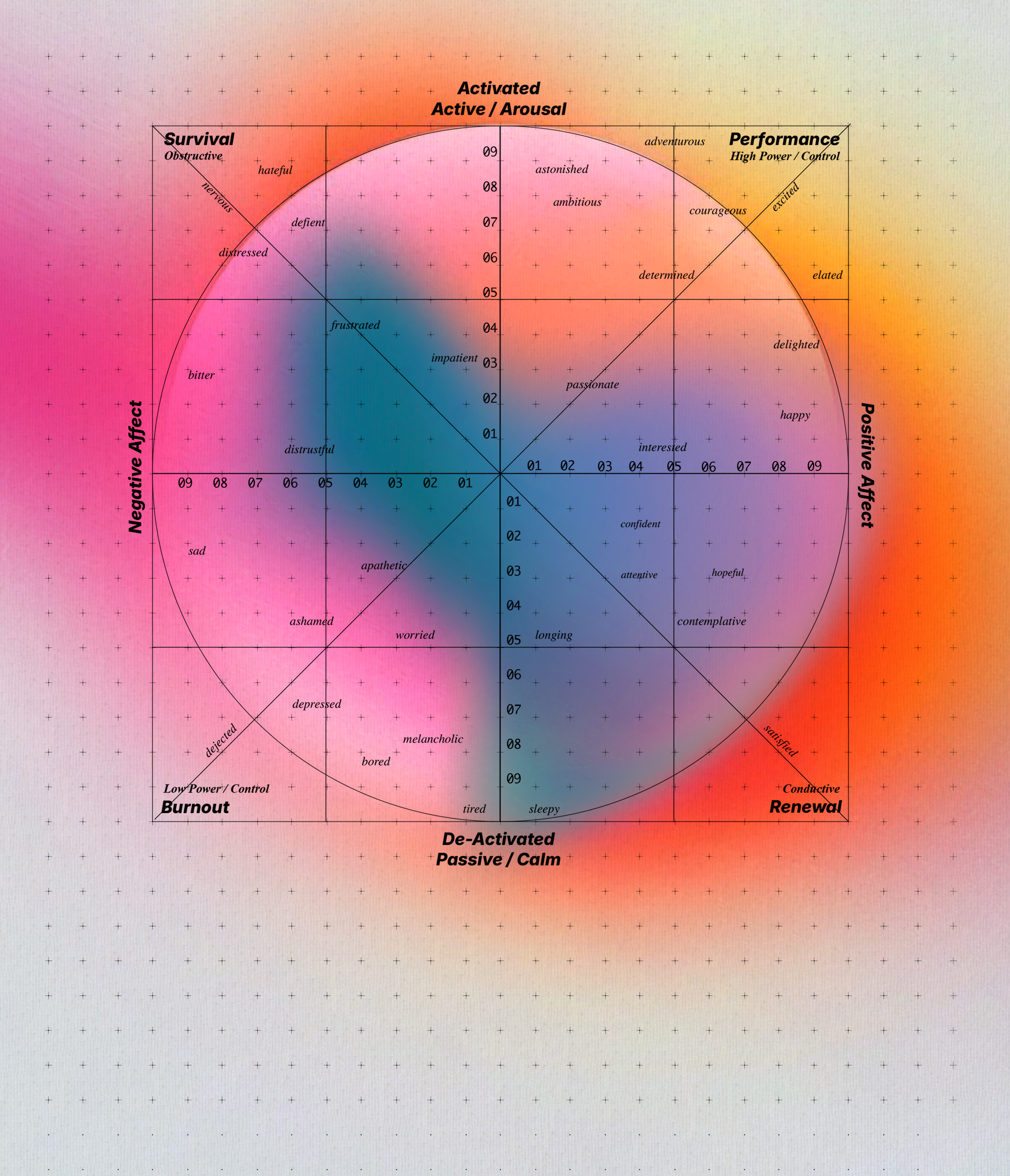
JAKE TKACZYK:THE AESTHETICS OF AWE, MEANING, AND PLEASURE
(JOHNSON AUDITORIUM)16:30 - 16:55
SHARRON HEFNER OPEN SOURCE FILMMAKING: SOLARPUNK PRINCIPLES FOR INDEPENDENT PRODUCTION AND DISTRIBUTION
(JOHNSON AUDITORIUM)17:00 - 17:30
END OF DAY GATHERING
(EXHIBITION RESEARCH LAB) -
9:00 - 9:25
MORNING CHECK-IN WITH JAKE AND UPDATES WITH GROUNDING SESSION BY CARRIE E NEAL
(LECTURE ROOM 1)9:30 - 10:25
CHANDANA DIXIT: CREATIVITY UNVEILED
(JOHNSON AUDITORIUM)10:30 - 10:55
JISUN MYUNG: PROOF OF LOVE : AN EXPLORATION OF THE MARRIAGE-BASED PERMANENT RESIDENCY SYSTEM IN THE USA THROUGH PERFORMANCE AND INSTALLATION
(LECTURE ROOM 2)11:00 - 11:25
EKA ZHARINOVA: INSIDE THE CHAIN: A SOLO PERFORMANCE PROJECT DEVELOPED IN MULTIDISCIPLINARY COLLABORATION
(X GALLERY)11:30 - 13:00
LUNCH13:00 - 13:25
JULIA WIEGER: WORKING TOGETHER: IN ARCHIVES, WITH GHOSTS -- AS VAMPIRES -- IN THE CONTEXT OF MY PHD IN ARTISTIC PRACTICE
(LECTURE ROOM 1)13:30 - 13:55
KIM ROBERTSON: REFRAMING THE SOCIAL: ATTUNING TO OTHER-THAN-HUMAN WORLDS
(LECTURE ROOM 2)14:00 - 14:25
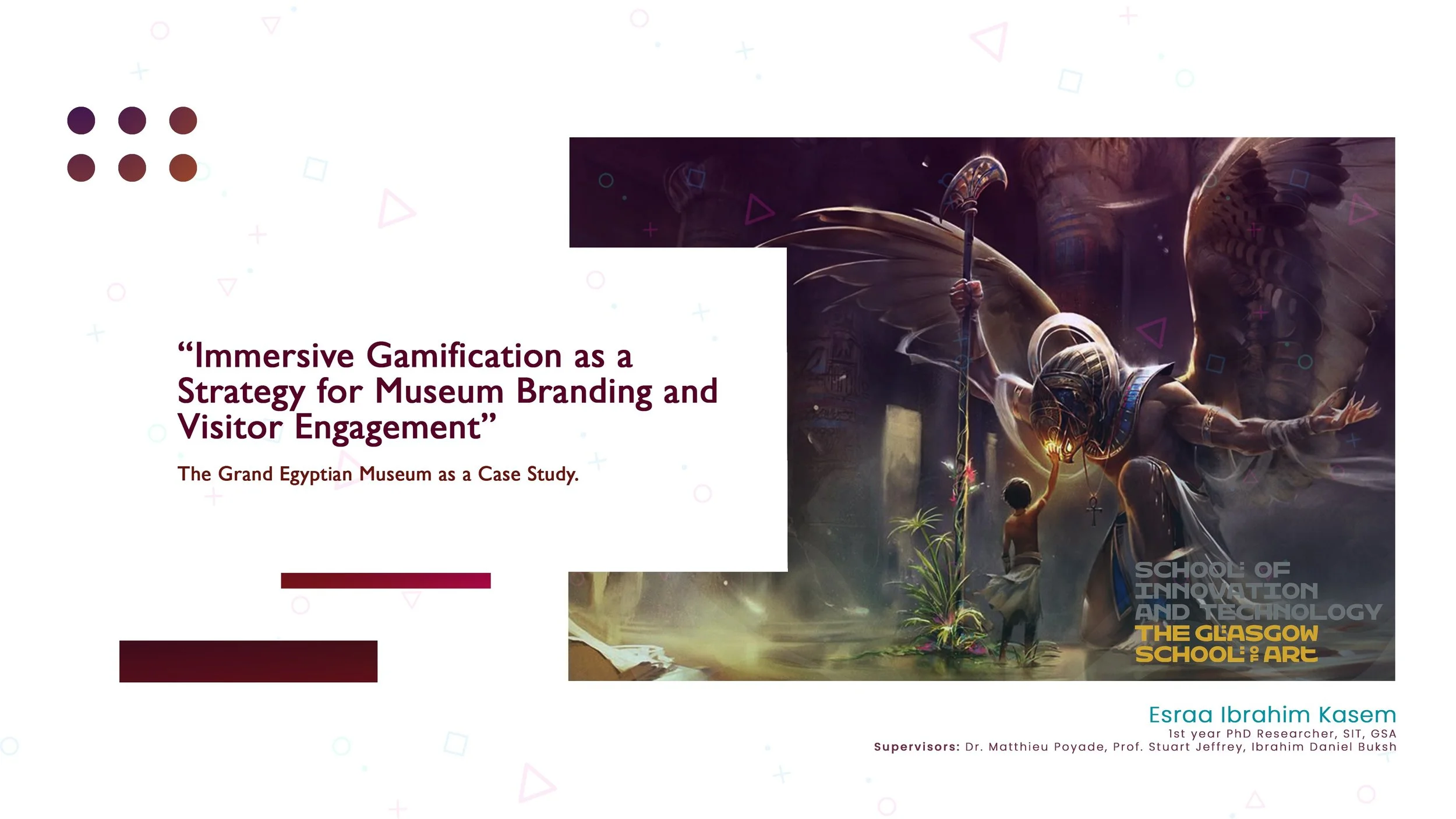
ESRAA KASEM: IMMERSIVE GAMIFICATION AS A STRATEGY FOR MUSEUM BRANDING AND VISITOR ENGAGEMENT
(JOHNSON AUDITORIUM)14:30 - 15:00
BREAK15:00 - 15:25
BRITTANIE JACKSON: THE QUESTION OF ARTIST
(LECTURE ROOM 1)15:30 - 16:25
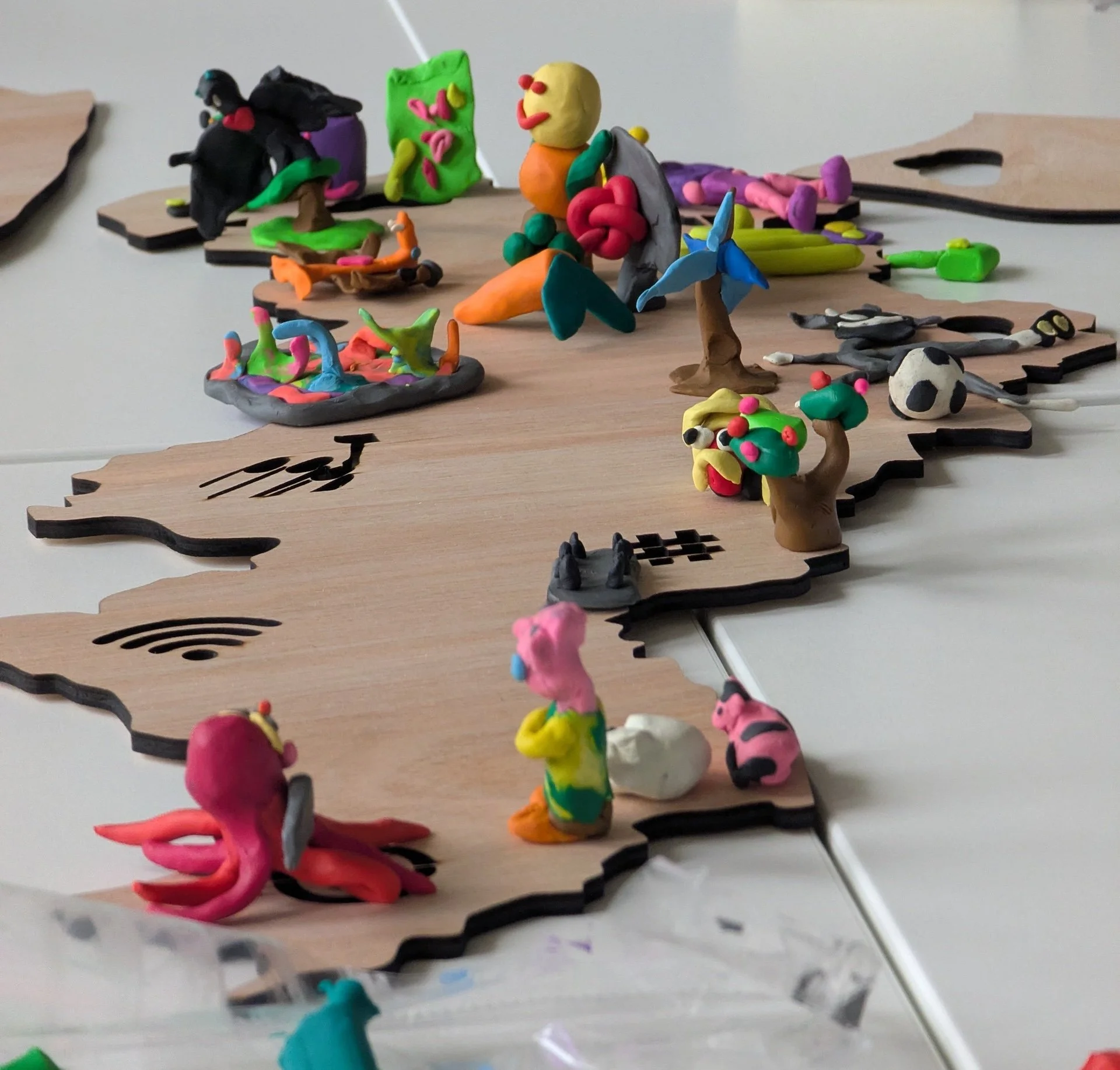
POLINA CHIZHOVA-WRIGHT: RESEARCHING THROUGH MAKING WITH PLASTICINE
(LECTURE ROOM 2)16:30 - 17:00
END OF DAY GATHERING
(LECTURE ROOM 1) -
9:30 - 9:55
MORNING CHECK-IN WITH JAKE AND UPDATES WITH GROUNDING SESSION BY CARRIE E NEAL
(LECTURE ROOM 1)10:00 - 10:25
OLGA MACRINICI: DRAMATURGY AS COLLECTIVE INTERROGATION
(LECTURE ROOM 2)10:30 - 11:30
GEOFF COX: WE SUPERVISE TO FIND COMRADES
(LECTURE ROOM 1)11:30 - 13:00
SIMON POPE: BECOMING SOCIAL: THE SOCIAL MODALITIES OF DOCTORAL RESEARCH
(LECTURE ROOM 1)13:00 - 14:00
LUNCH14:00 - 14:30
GROUP WRAP UP
(LECTURE ROOM 1)14:30 - 15:30
TRANSART INSTITUTE COLLEGIUM MEETING
(RODERICK WALKER SEMINAR ROOM)15:00 - 17:00
DEINSTALL OR FREE TIME OR PRE BEVERAGE AT TBD18:00
CLOSING GATHERING AT STATICLET’S BECOME SOCIAL.
KEY NEXUS SESSIONS
ALL PARTICIPANTS (in order of presentations)