
W.K. Lyhne
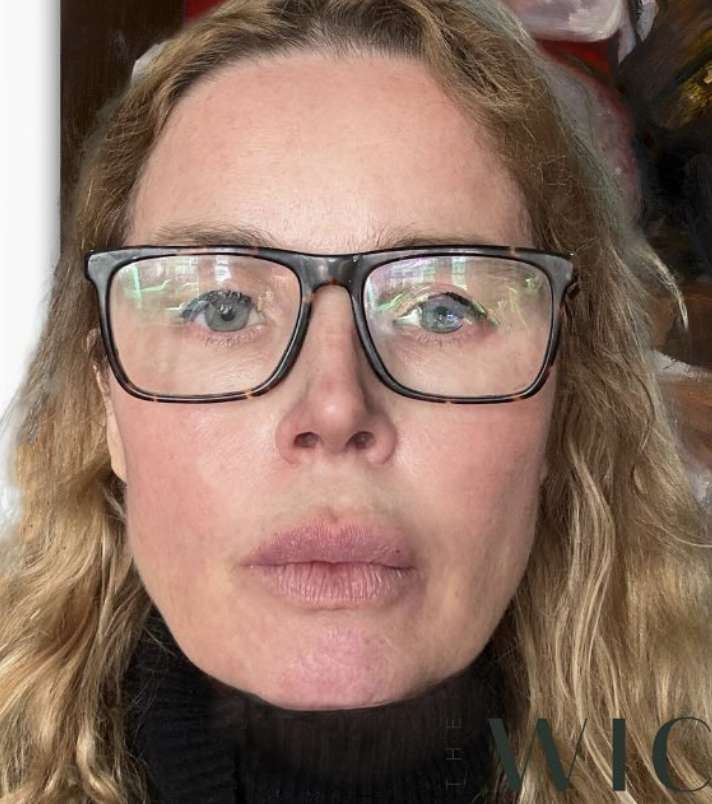
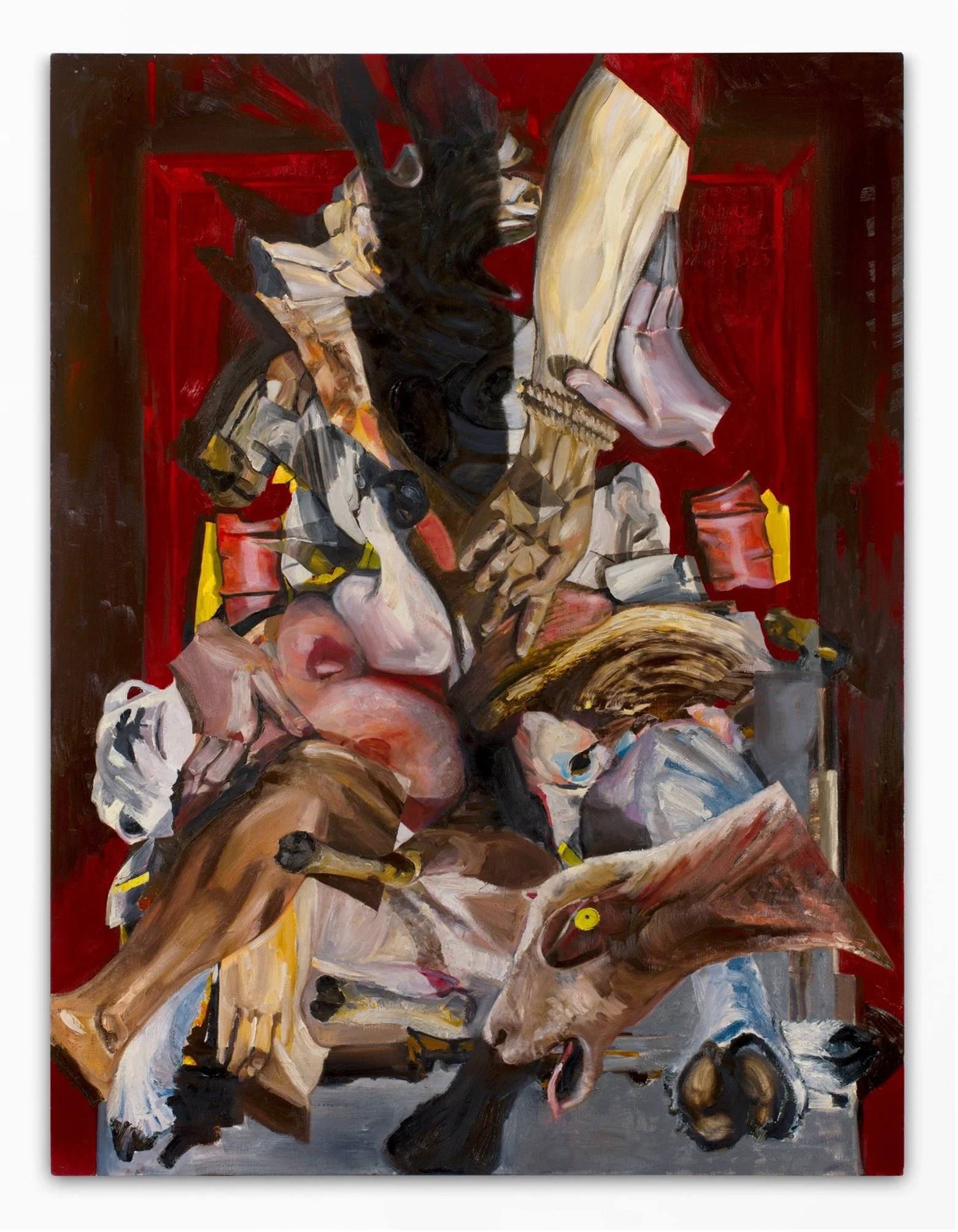
W.K. Lyhne is a British artist, writer and practice-led researcher based in London. Her paintings investigate the relationship between art history, contemporary philosophy and embodied experience through the reconstruction of canonical images. Working primarily in oil painting, alongside drawing and writing, she extracts fragments from historical artworks and recomposes them into unstable figurations in which distinctions between human and animal, self and other, and symbolic and material life remain unresolved.
Her research asks how painting can become a site for thinking rather than illustration, using artistic practice to generate new knowledge about subjectivity, continuity and transformation. Drawing on feminist new materialism, phenomenology and art history, her work considers the political and ethical implications of the Western canon while remaining committed to its formal and material traditions.
Lyhne is completing a practice-led PhD at Chelsea College of Arts, University of the Arts London. Her work has been exhibited internationally and presented through exhibitions, conferences and publications exploring the intersections of painting, philosophy and visual culture.
W.K. Lyhne current research investigates how painting can represent instability as a fundamental condition of embodied life rather than as disorder or loss. Her practice centres on the extraction and recomposition of fragments from canonical Western artworks, allowing familiar images to generate new relationships that unsettle inherited assumptions about identity, gender, species and the body.
Working through painting as a form of research, she examines how historical visual traditions have contributed to stable ideas of the human subject while also containing moments that exceed those frameworks. Her recent work focuses particularly on the symbolic relationship between the ewe and the Virgin Mary, exploring reproductive labour, care, sacrifice and continuity through both medieval and contemporary contexts. Rather than treating art history as a fixed inheritance, she approaches it as material that can be reworked through painterly practice to produce new forms of knowledge.
Her research is informed by feminist new materialism, phenomenology and visual culture, with particular interests in embodiment, interspecies relations, affect, ecological thought and the continuing role of painting as a critical mode of inquiry within contemporary artistic research.