
Daniela Marques
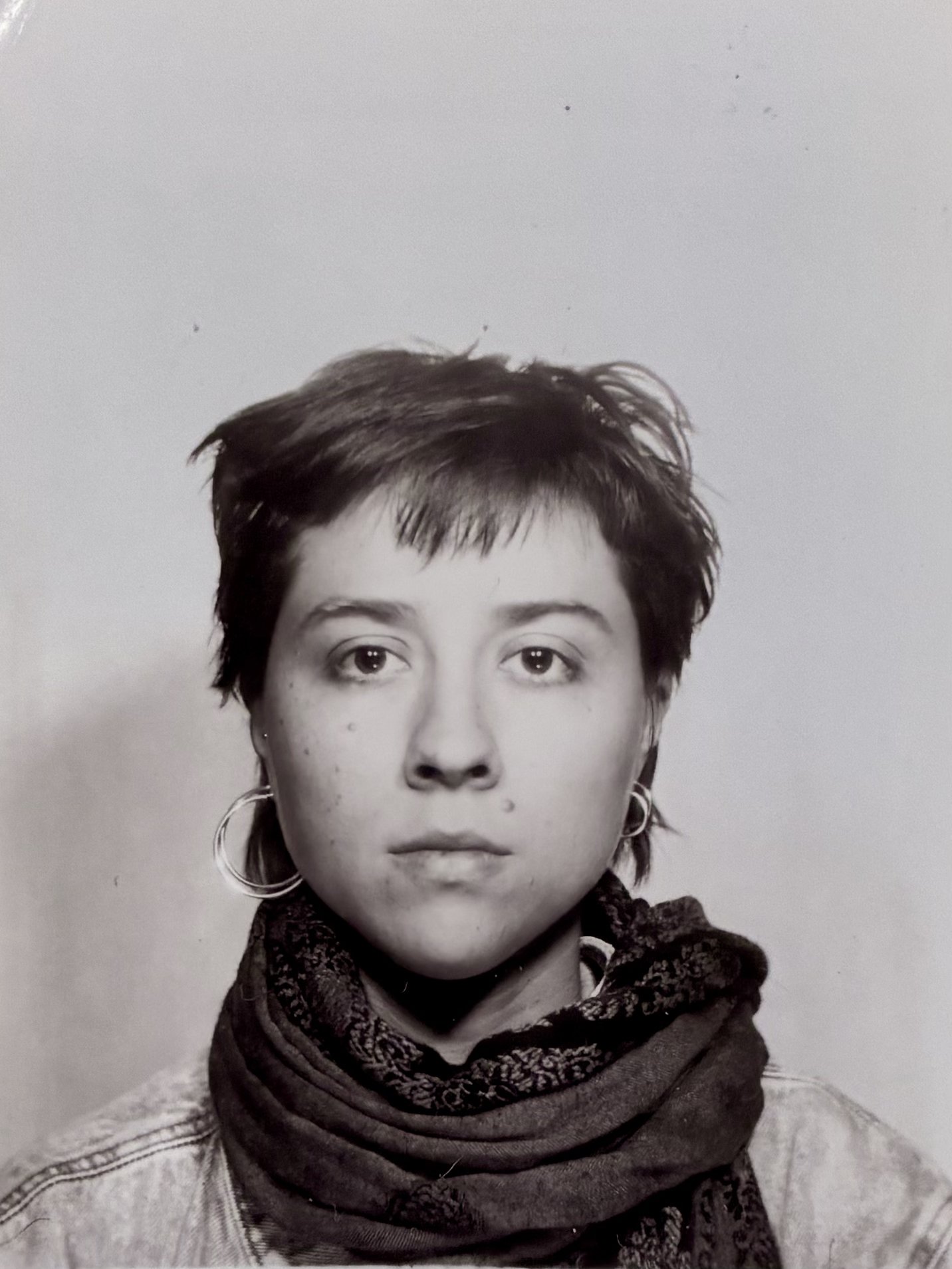


Daniela Marques is a brazilian artist-researcher, based in Goiânia, a city in the central region of Brazil, and in London. She is pursuing a doctorate in Art and Visual Culture at the Federal University of Goiás, and is currently doing part of her research in the UK, as a PhD Visiting Student at the Chelsea College of Art (UAL).
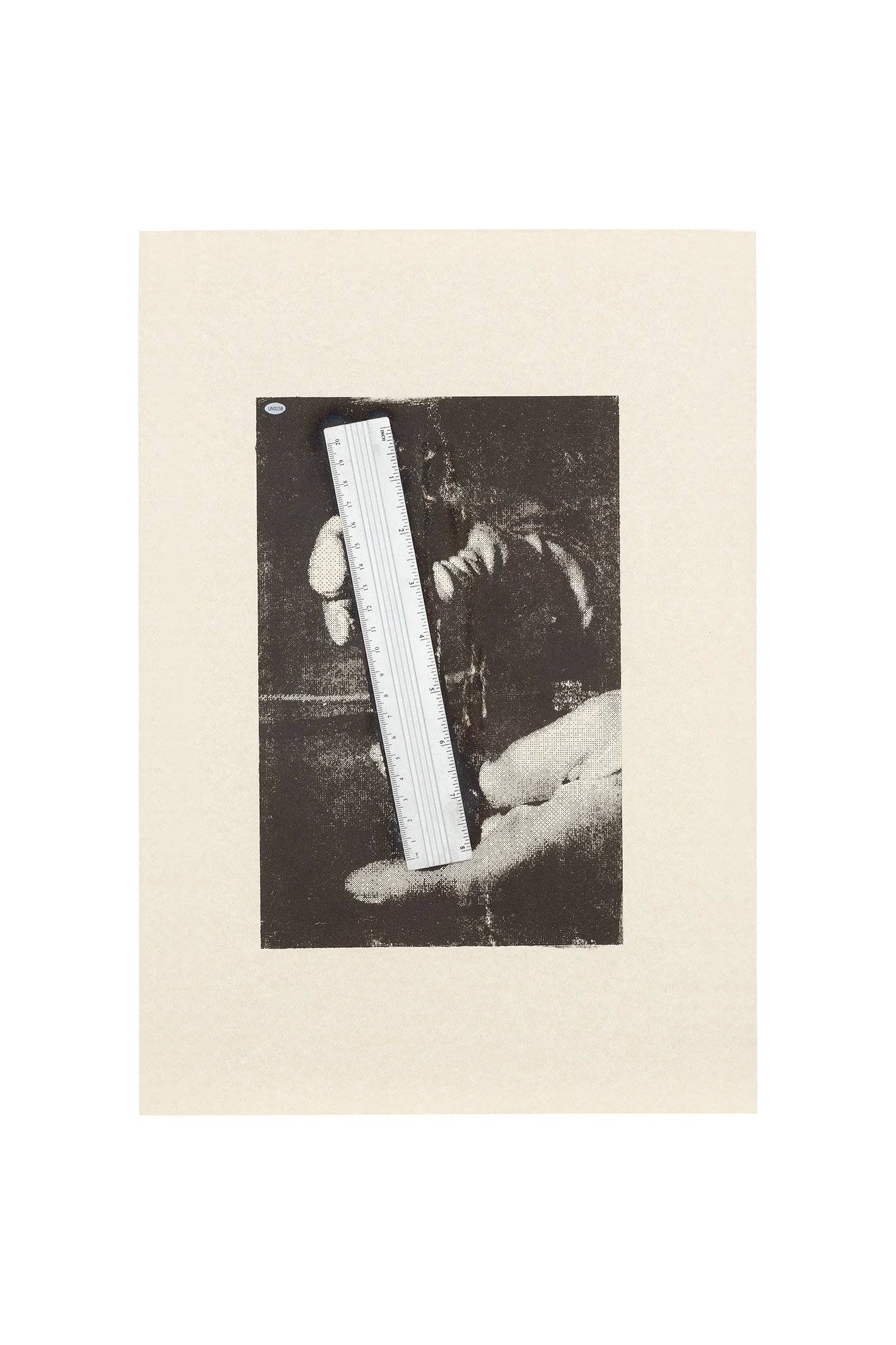
Daniela's work is dedicated to the investigation of capitalistic ways of colonising the unconscious. Her approach of working with mixed media while exploring the appropriation of pre-existing images and objects (often related to or part of consumer culture) is foundational to her artistic practice.
She is interested in making use of the embedded meanings these pre-existing items carry as a means to highlight, mock, or disrupt their established (and pro-establishment) connotations. In doing so, her intention is to shine light on entangled meaning threads around desire, gender, and sexuality in relation to capitalism and its colonial roots.
Currently, she is working on a pHD practice based research that examines how autobiographical artistic practice can operate as a means to investigate how desire and subjectivity are shaped within capitalist, patriarchal, and colonial structures. Drawing on the premise that the image one forms of their ideal self is tinted by ancestral desires, the research seeks to understand how her own subjectivity - founded upon desire - was forged through institutions such as family and education. Through the intertwining of autobiographical narratives and artistic production, she explores how poetic reflection can bring to light the unconscious mechanisms and “absent yet operative thoughts” that work in favour of a capitalist and colonial status quo.
The theoretical framework brings together references from feminist theory (bell hooks, Lauren Fournier), psychoanalysis and schizoanalysis (Freud, Deleuze & Guattari), decolonial studies (Anzaldúa, Rodrigues), and visual culture. The dialogue among these fields aims to propose new perspectives on the relations between art, subjectivity, and political economy.
Ultimately, her interest is to articulate how artistic practice can operate as a critical and poetic method for unveiling and transforming the unconscious mechanisms that sustain capitalist, colonial, and patriarchal structures. The research contributes to contemporary debates on art, feminism, and decoloniality, positioning her own subjectivity as a site of knowledge production and political transformation.