
Elinor Rowlands
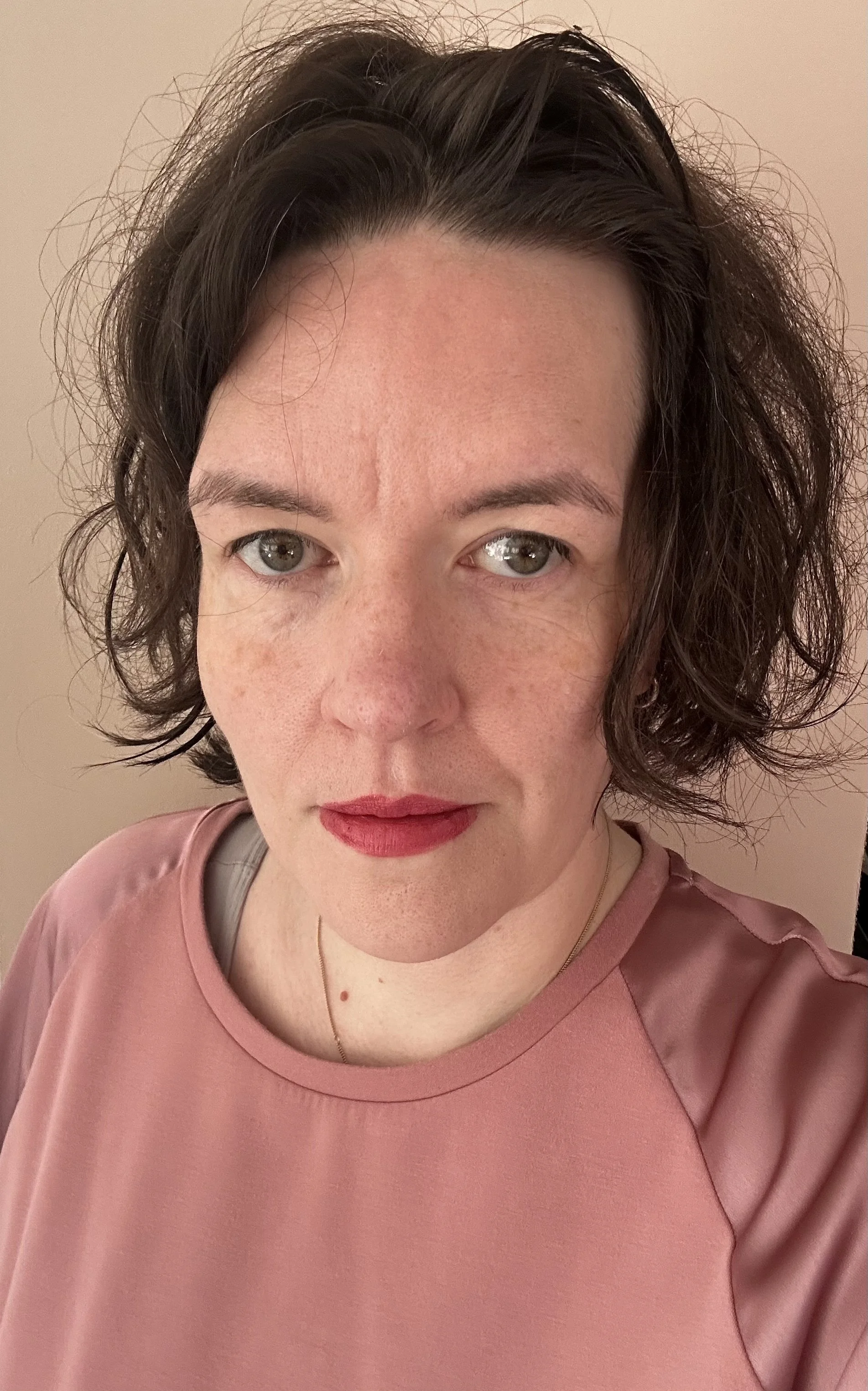
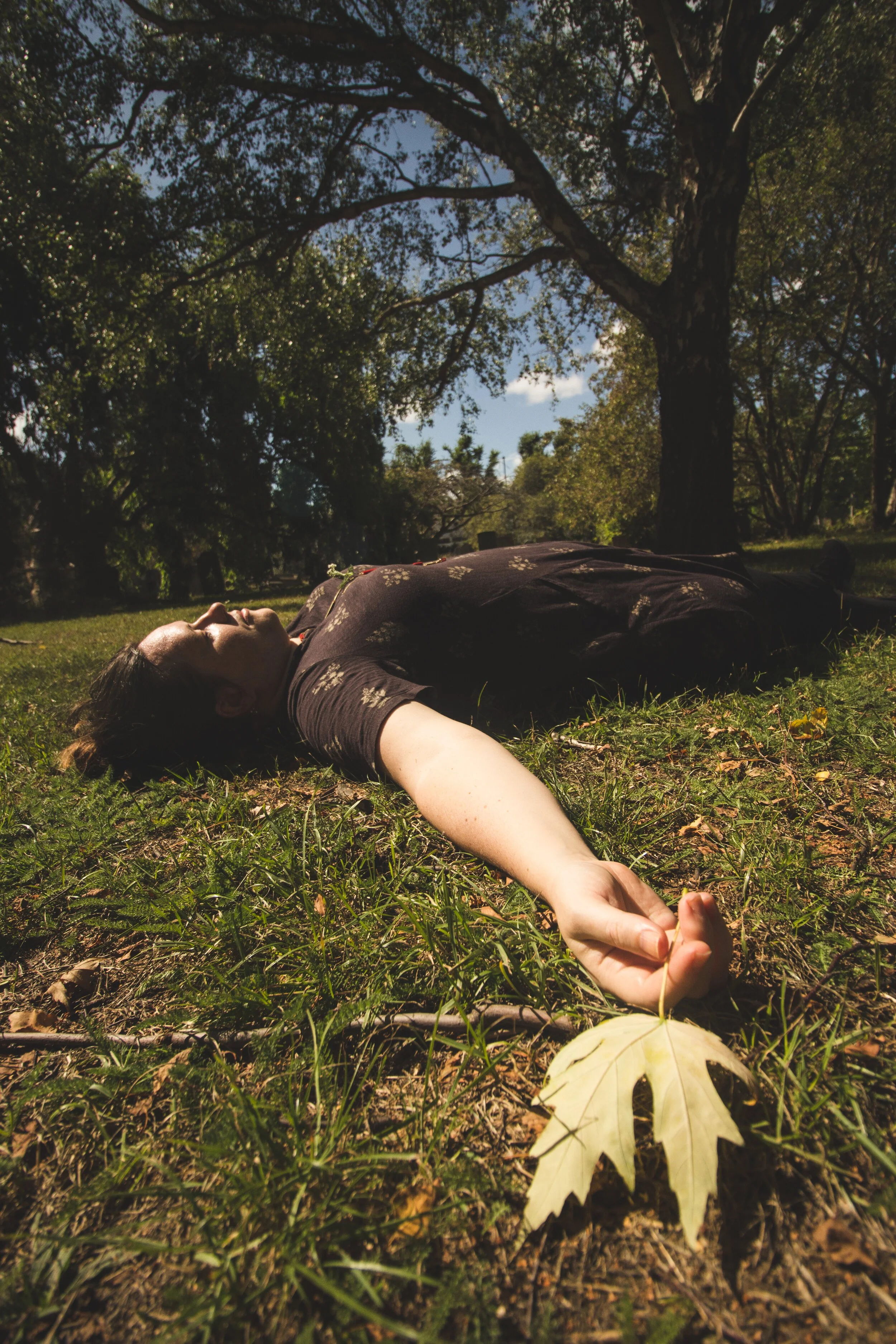
Elinor Rowlands is an interdisciplinary artist and PhD researcher whose work spans audio-video, art texts, making/painting, and installation. Her/their practice centres embodiment, crip/queer temporalities, engaging touch, intimacy, and non-normative experiences of the body. Situated within liminal and gothic atmospheres, her work dwells in thresholds between bodies, states, and worlds, where ambiguity, intensity, and fragility coexist.
Drawing on dark ecologies, she explores entanglement, vulnerability, and the porous boundaries between human and more-than-human worlds. Her work considers how sensation, environment, and power intersect, foregrounding modes of perception that exceed normative visual or cognitive framing. Elinor has presented work internationally, including in Canada and across the UK. She recently convened a symposium bringing together artists and researchers to explore multilayering as method, embodied practices, care, and access.
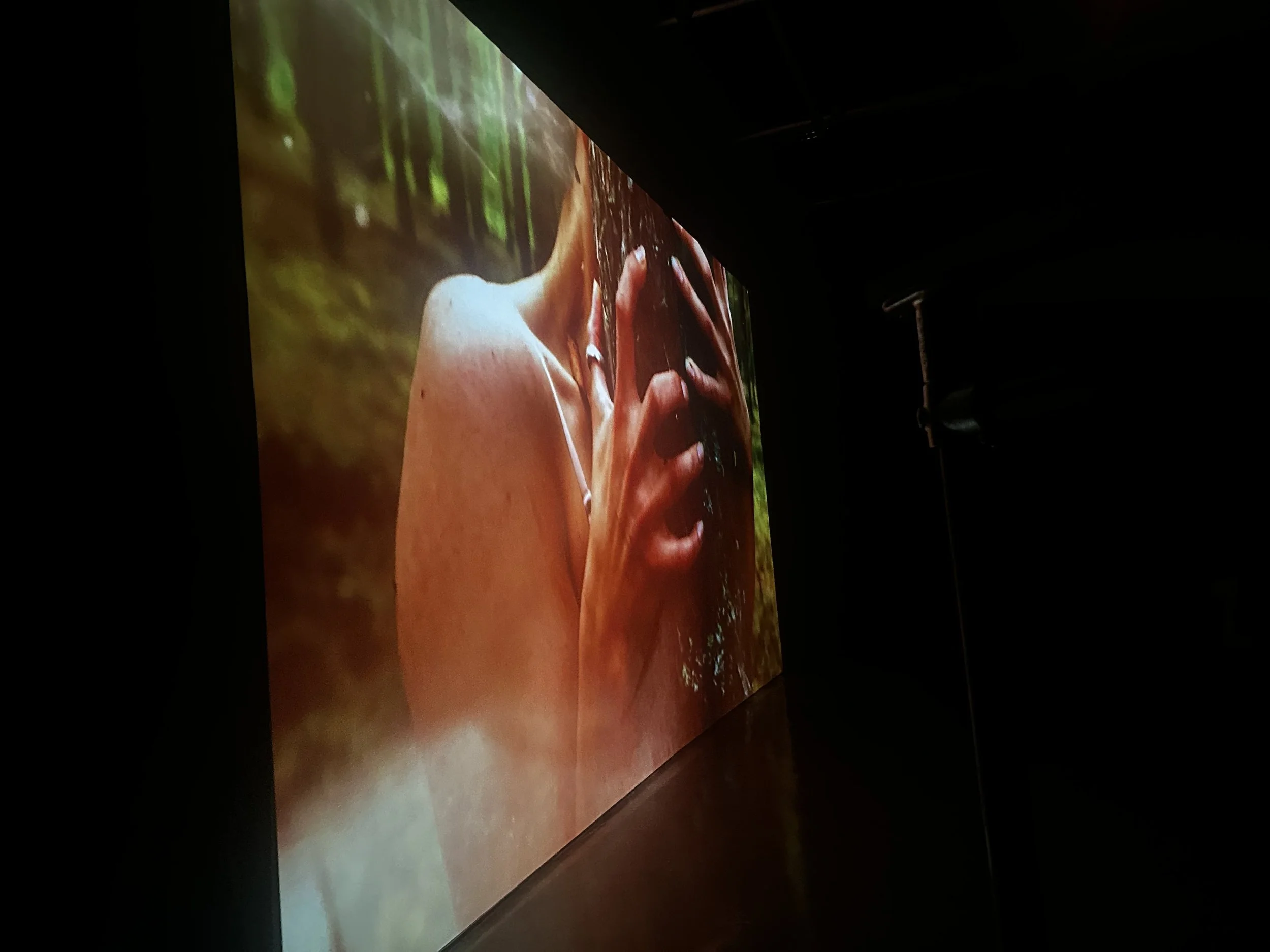
Her work is known for producing immersive environments that invite audiences into states of reflection, grief, connection, erotic and sensory excess.
Through audio/video installation, she investigates what it means to inhabit a body that resists containment, and how artistic practice can hold space for experience that is often marginalised or rendered illegible. Their work moves through liminal, gothic, and sensorial registers, queering dominant narratives of embodiment while opening decolonising attentions to relation, perception, and the more-than-human.
Elinor’s current research explores embodiment, disability, and dark ecologies through moving image, performance, and material practice. Central to their work is autistic stimming within interiority as a method of thinking/sensing-through-making, where repetition, texture, rhythm, and sensory excess operate as forms of internal composition and relation. She is interested in neuroqueering the autistic somatic archive, understanding the body as a layered field of sensory memory, interruption, return, and affective accumulation rather than a stable container.
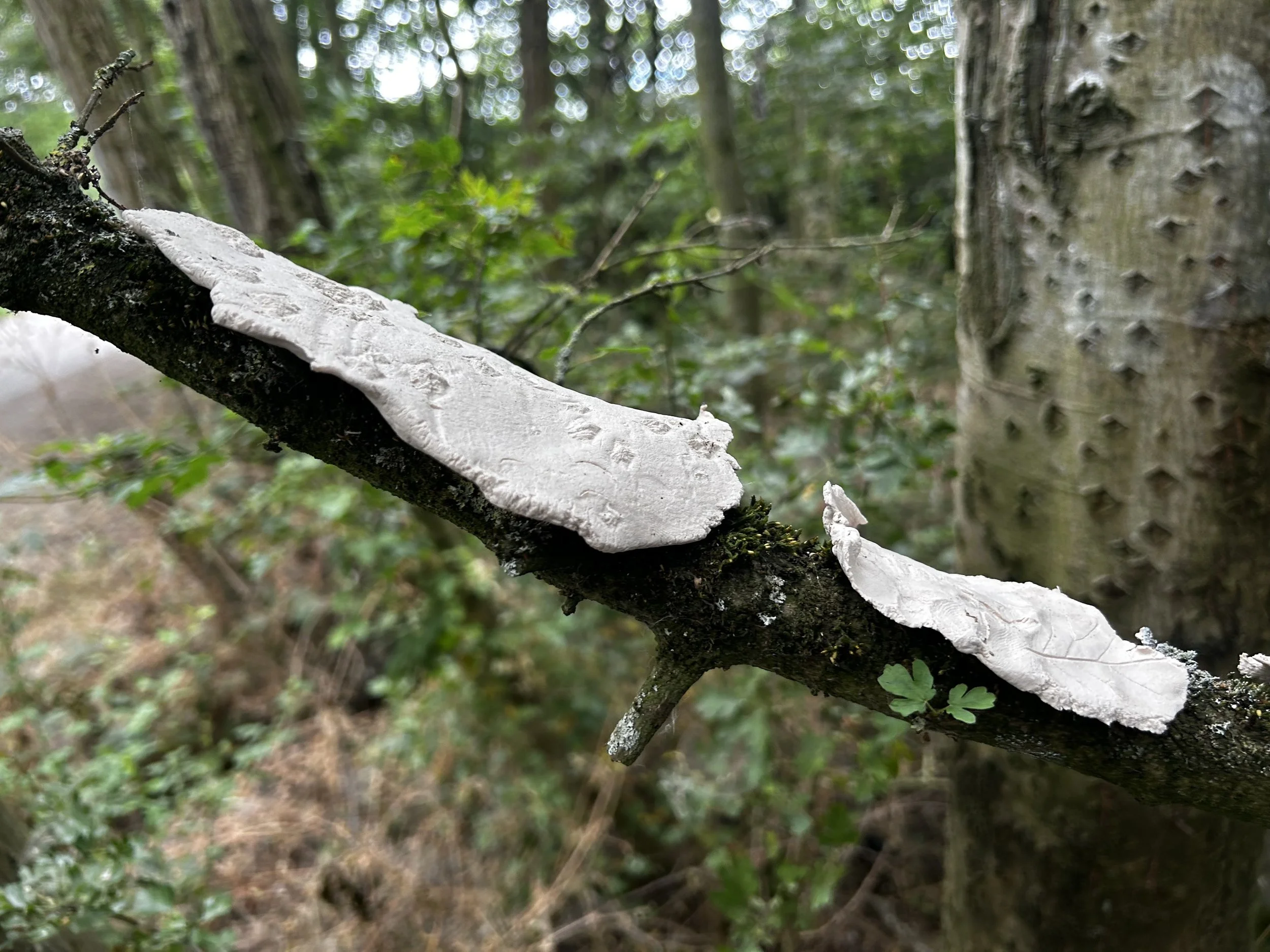
Her practice engages organic materials such as bark, moss, lace, and porcelain, treating surfaces as active skins that record contact, pressure, and duration. These materials become part of a tactile language through which embodiment is sensed rather than represented. Stimming, in this context, is not externalised behaviour but an interior practice of attunement: a way of thinking-with sensation, environment, and more-than-human matter from within the body using the body as an archive for feelings, memories and sensations.
Through film and photography, Elinor translates these sensory logics into immersive audiovisual forms that invite slowed, repetitive, and affectively dense viewing. She is interested in how autistic perception operates through layering rather than linearity, and how interior sensory repetition can generate aesthetic and epistemic forms of knowledge.
Alongside this, she continues to interrogate access, care, and the conditions of making as a disabled artist. Her research asks how artistic practice might hold complexity without resolution, and how autistic ways of sensing might reconfigure relation, attention, and world-making.