
CARLOS LLERENA AGUIRRE: SCREENING OF A WORK IN PROGRESS. AN ETHNOGRAPHIC DOCUMENTARY
FRIDAY 24 JULY, 9:30 - 10:25
Lecture Room 2
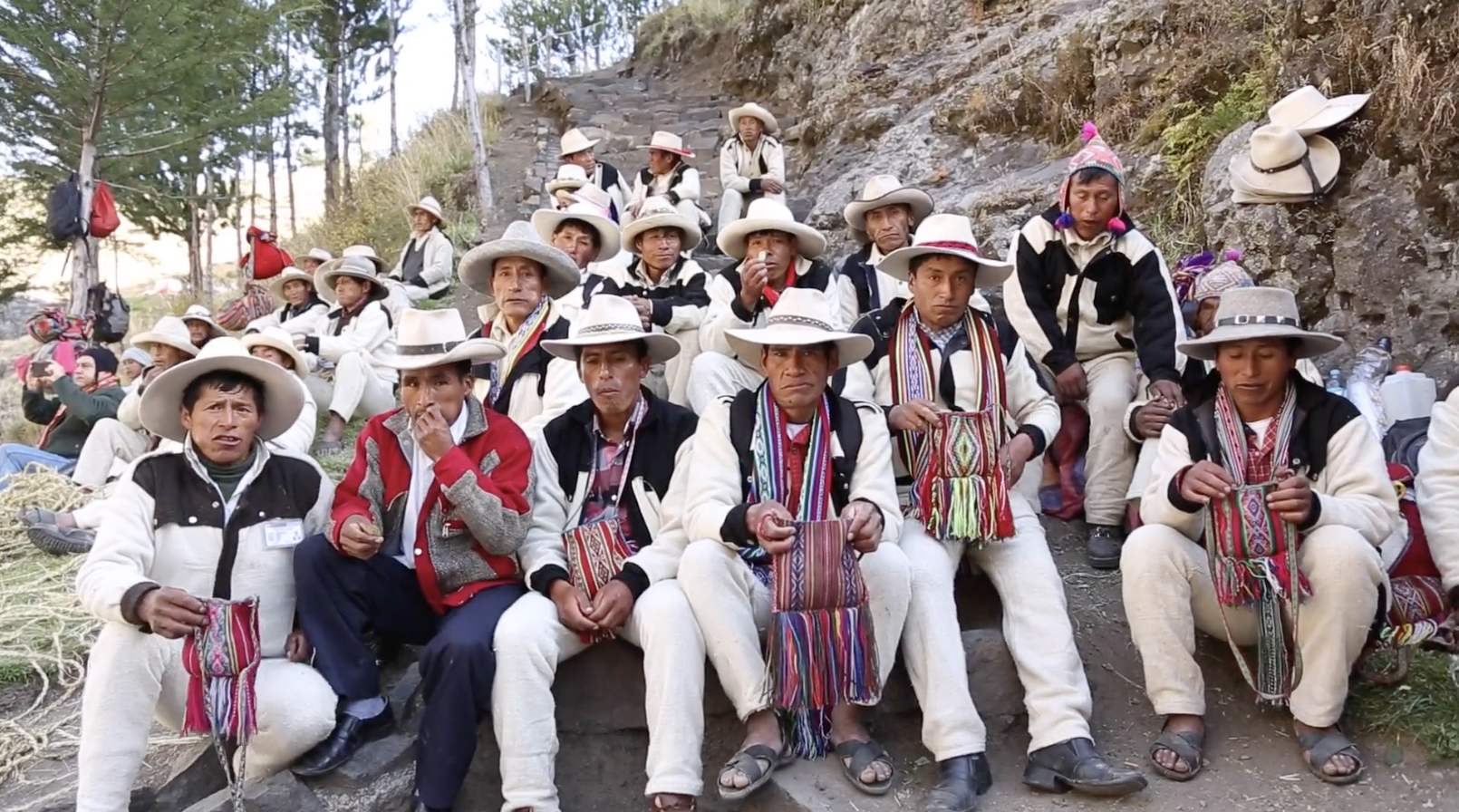
The Inca empire had a road system known as the Qhapaq Nan. It spread from Colombia in the north to Chile in the south, 20,000 miles. The rope bridges were built to cross deep canons and rivers and were used by herdsmen, troops, and Chaski messengers. In case of war, they could be cut. They united communities and symbolized rituals of passage
Q’eswachaka is about 100 kilometres from Cusco city. The bridge crosses the *Apurimac River Canyon. (God who talks) This is the last Inca bridge in the Andes, and it is reconstructed every year. Nearly 700 men and women from the communities of Quehue, Huinchiri, and Q’ollana come to build Q’eswachaka. Women gather long blades of Qeswa grass, which men then weave into six long cables (Toros) used in the construction of the bridge. The wide ropes are bound at either end of the bridge. Two Chakiro (master bridge makers) weave the rails and floor. They start at each side of the mountain and meet near the center. In 2013, Qeswachaka was recognized by UNESCO as an Intangible Heritage of Humanity.
Director statement: My work addresses issues of metamorphosis, faith, transfigurations, ethnographic film, popular culture, and the vernacular. In my documentary videos, I bridge the conceptual and the corporeal; the spiritual and the cultural landscape. I find topics where nature or humans affect their behavior or environment. The dialogue between these worlds confronts viewers to experience a sense of being in the actual space where we live and interact with these ideas. I first research the cultural and ethnographic elements of the people and environment to make a film. My video art and documentaries have been officially selected in 16 International Film competitions.
“In my video art, I seek to deconstruct time, space, truth/lies, TV and film, life and death, and our preconceived idea of culture. I tell stories about real people, places, and events. I work with hidden meanings, sound, layers, and appropriation from other media. I have created video art in Bolivia, Peru, Argentina, Chile, Italy, Brazil, Uruguay, China, England, and Spain.”