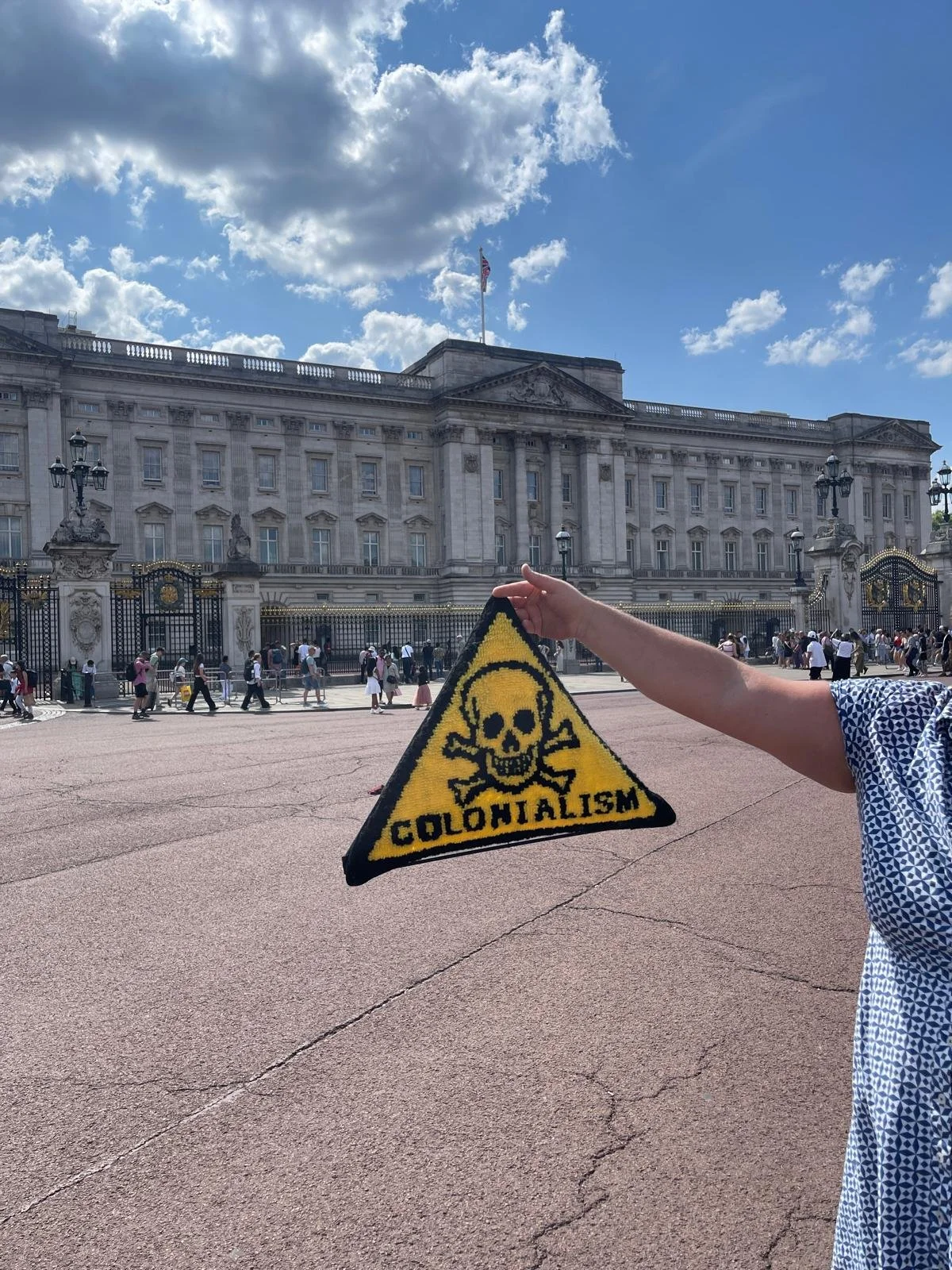
Britta Fluevog
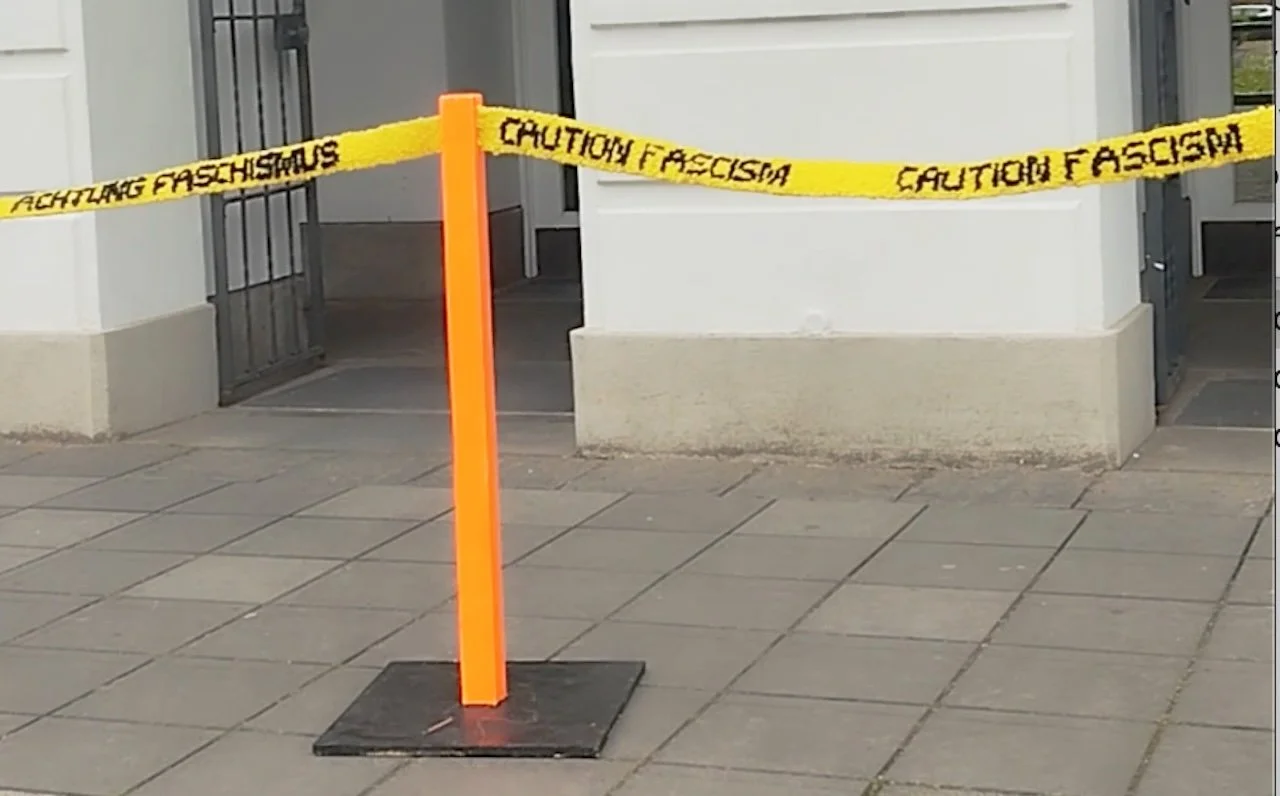
Photo: Britta Fluevog
Britta Fluevog is an Estonian-Canadian third-generation matriarchal artist living in Jülich, Germany. Fluevog is currently a PhD candidate (2026) at Transart Institute, Liverpool John Moores University, researching methods for creating inclusive and accessible art activism. In 2015, she completed her Master’s of Fine Art from Emily Carr University of Art and Design, which examined the integration of a material-based textile practice into social justice. In 2007, she received her Interdisciplinary Bachelor of Fine Art from the Nova Scotia College of Art and Design University. Upon graduating from her bachelor’s, Fluevog established a small ceramic co-op in a rural Ghanaian village. Through having an art studio at the epicentre of Vancouver’s Downtown Eastside, Fluevog has been involved in activism around poverty, gentrification, environment, indigenous rights, and housing. She was a weaver in residence at Vancouver’s Occupy encampment.
The works of artists such as Tanya Aguiñiga, Sara Rahbar, Aram Han Sifuentes, and Sandra Suubi influence her practice. Her work investigates, highlights and challenges globalism, politics, and capitalism, seeking to expose how they intersect in systemic intertwined configurations. Fluevog uses connotative materials, the double take, intentionality and the subterfuge of textiles to defy and destroy systems of oppression.
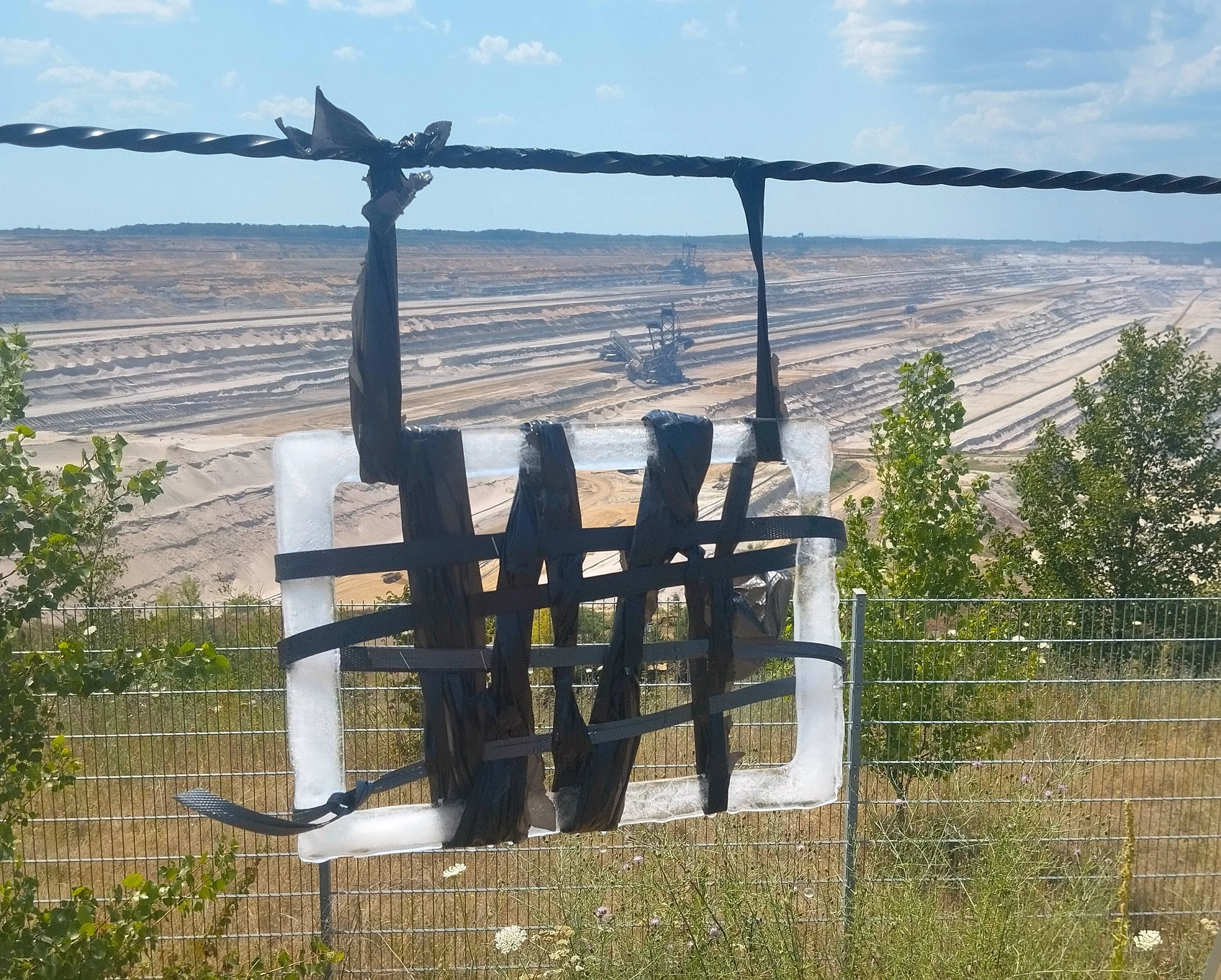
Photo: Greg Lock
PRACTICE STATEMENT
Art activism is powerful. Also known as activist art, protest art, visual activism, artivism and creative activism, it changes lives, situations and has been a powerful weapon across a spectrum of struggles for justice. Teresa Sanz & Beatriz Rodriguez-Labajos relay that art activism has the unique ability to bring cohesion and diverse peoples together and it can, as Zeynep Tufekci notes, change the participants. As Steve Duncombe & Steve Lambert posit, traditional protesting such as marches or squats are no longer as important as they once were. As a result of my own experience in activism, I agree with Andrew Boyd & Dave Oswald Mitchell that the reason people use art activism is that it works, by enriching and improving protest.
I used to be an activist when I lived in a metropolis and was not a parent, but now that I am, I no longer have immediate access to international headquarters at which to protest and I have to be concerned with being arrested because if I am, no-one will be there to pick my child. This situation led me to a course of research to find modes of art activism that were more inclusive and accessible in terms of being created solo, on a non-standardised schedule, in less centralised locations or conducted without risk.
Textiles have unique properties that enable them to engage in subterfuge and speak loudly through care and thought. They have strong connotations of domesticity, the body and comfort that can be subverted within art activism to reference a lack domestic warmth and protection. Being a slow form of art-making, they display intentionality, so that the messaging is reinforced throughout the entire time crafting.